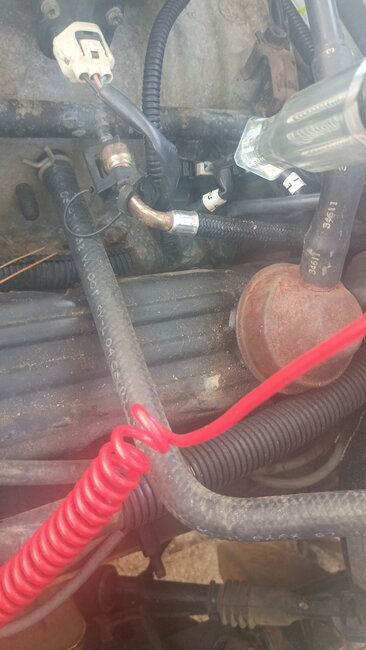
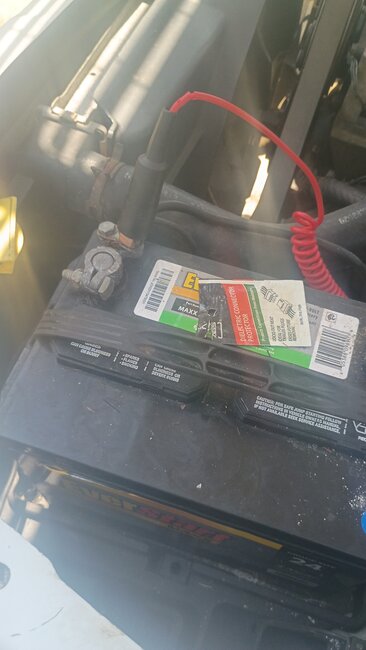
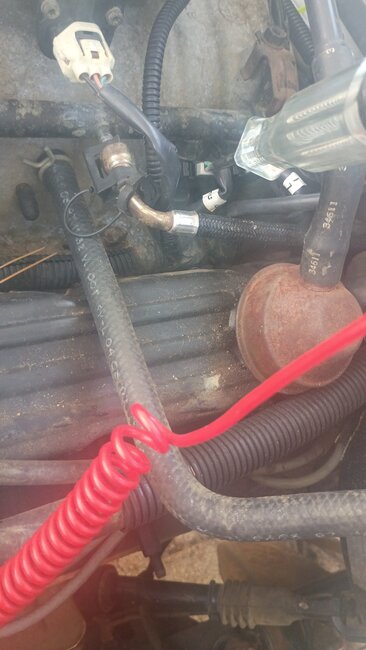
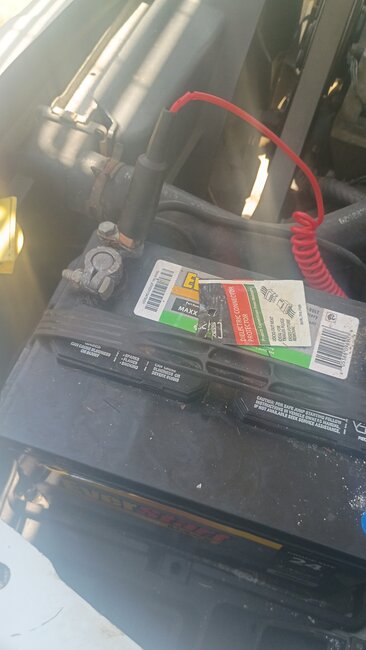
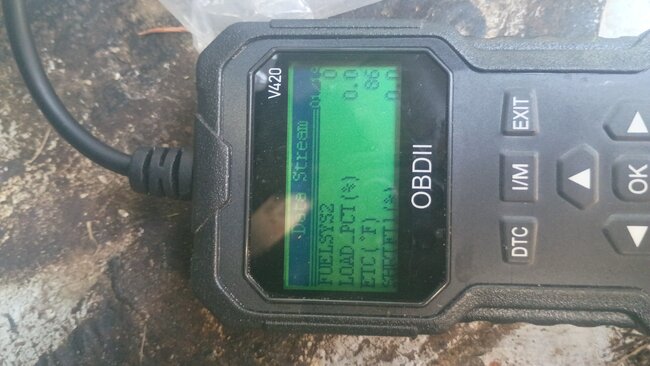
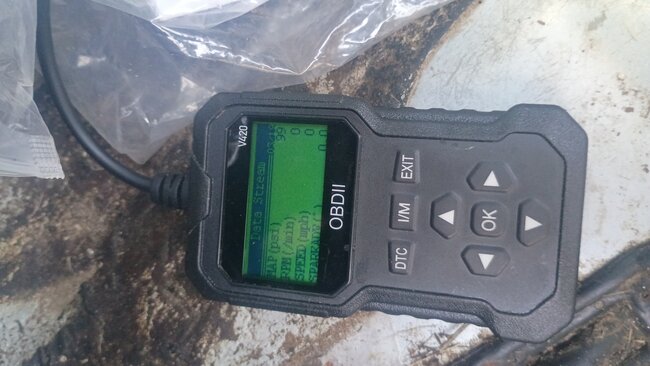
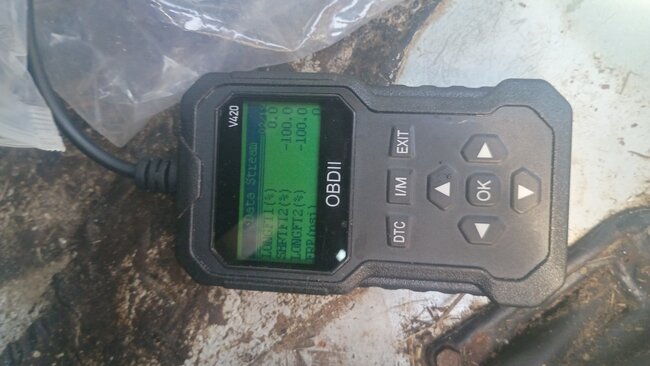
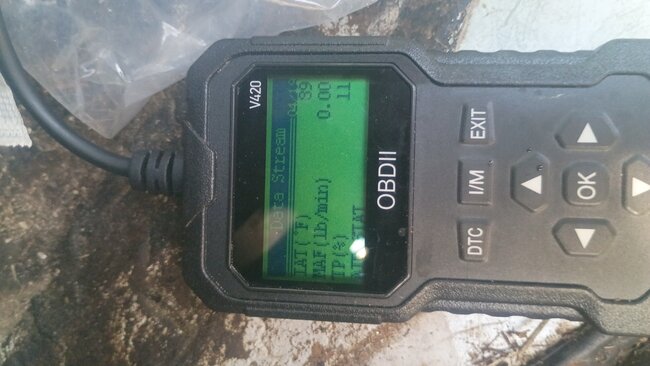
No crank, no start has a brand new battery ?

1997 DODGE DAKOTA
165,000 MILES • 5.2L • AUTOMATIC
Advertisement
Avatar
DALEC6328
  • MEMBER
  • 65 POSTS
I'm not getting light on any on either run or crank
Aug 25, 2026 at 10:55 AM
Avatar
DALEC6328
  • MEMBER
  • 65 POSTS
Easier yet, which readings are you looking for
Aug 25, 2026 at 11:13 AM
Avatar
CARADIODOC
  • Experienced Mechanic
  • 34,366 POSTS
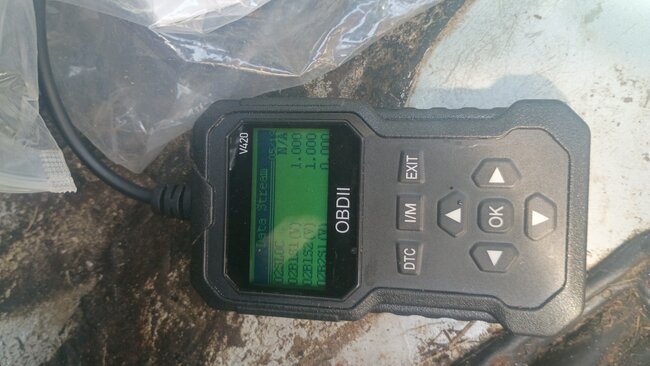
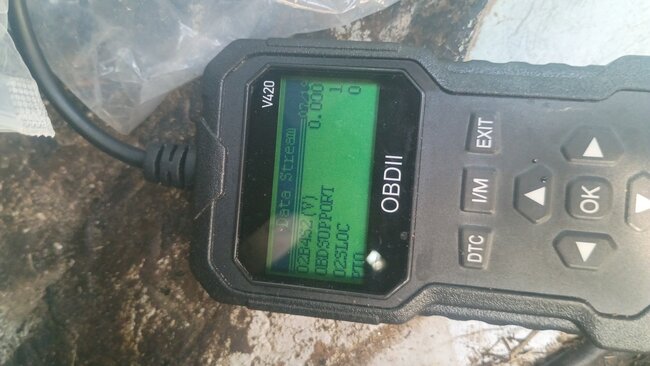
Your scanner readings are getting too far ahead. We aren't at the point yet where they come into the picture. I understand the test light isn't lighting up for engine rotation, (cranking or running), but what about that first one-second-long pulse just as the ignition switch is turned on to "run"? That will tell us if the ASD circuit is capable of working.

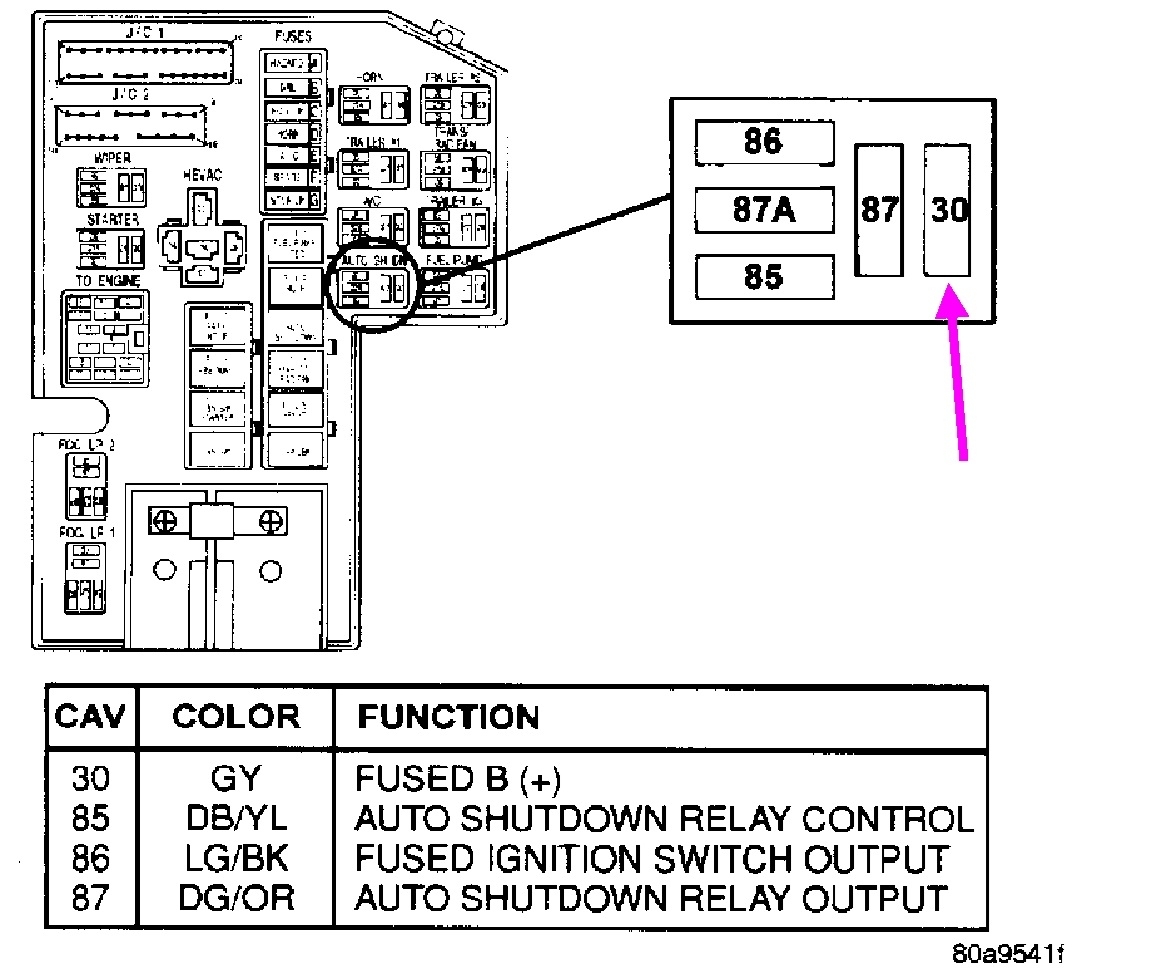
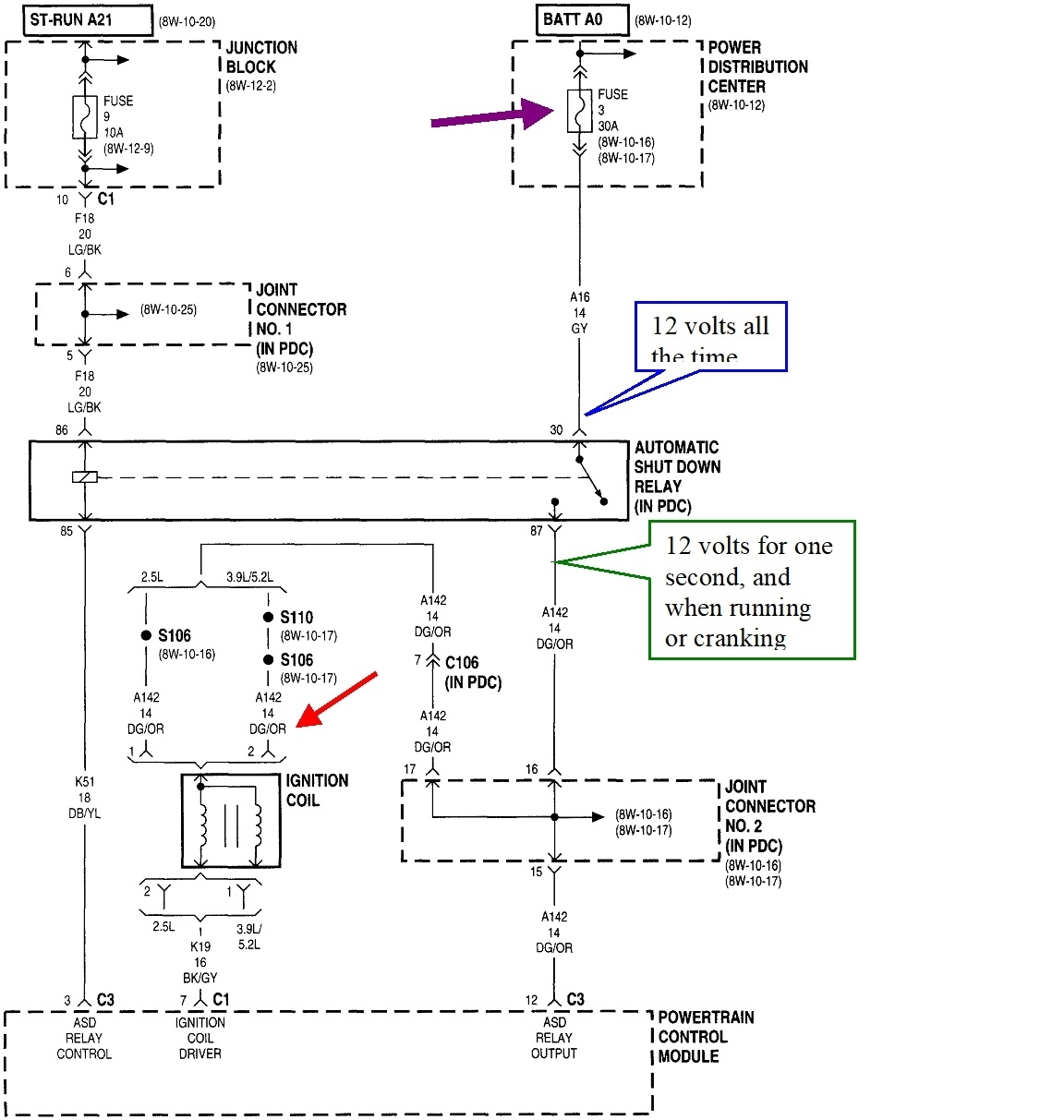
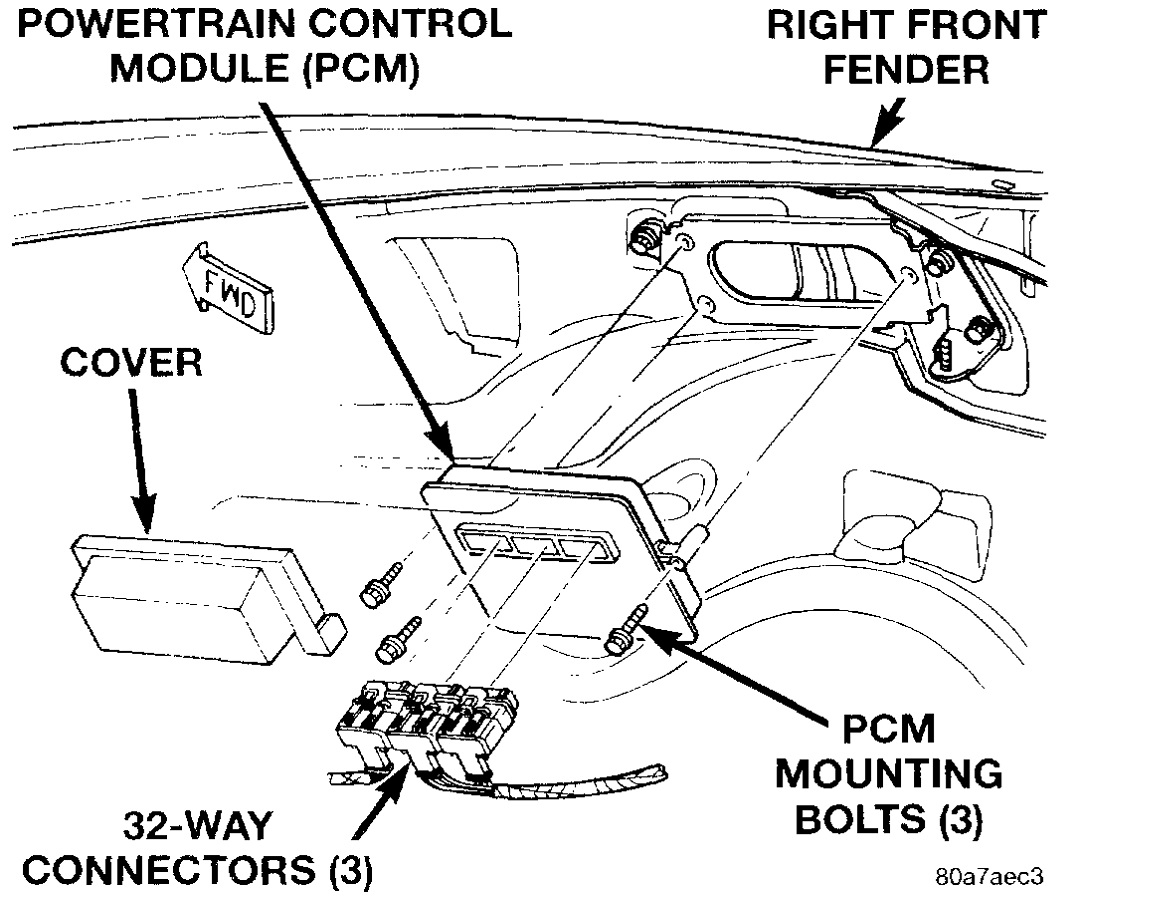
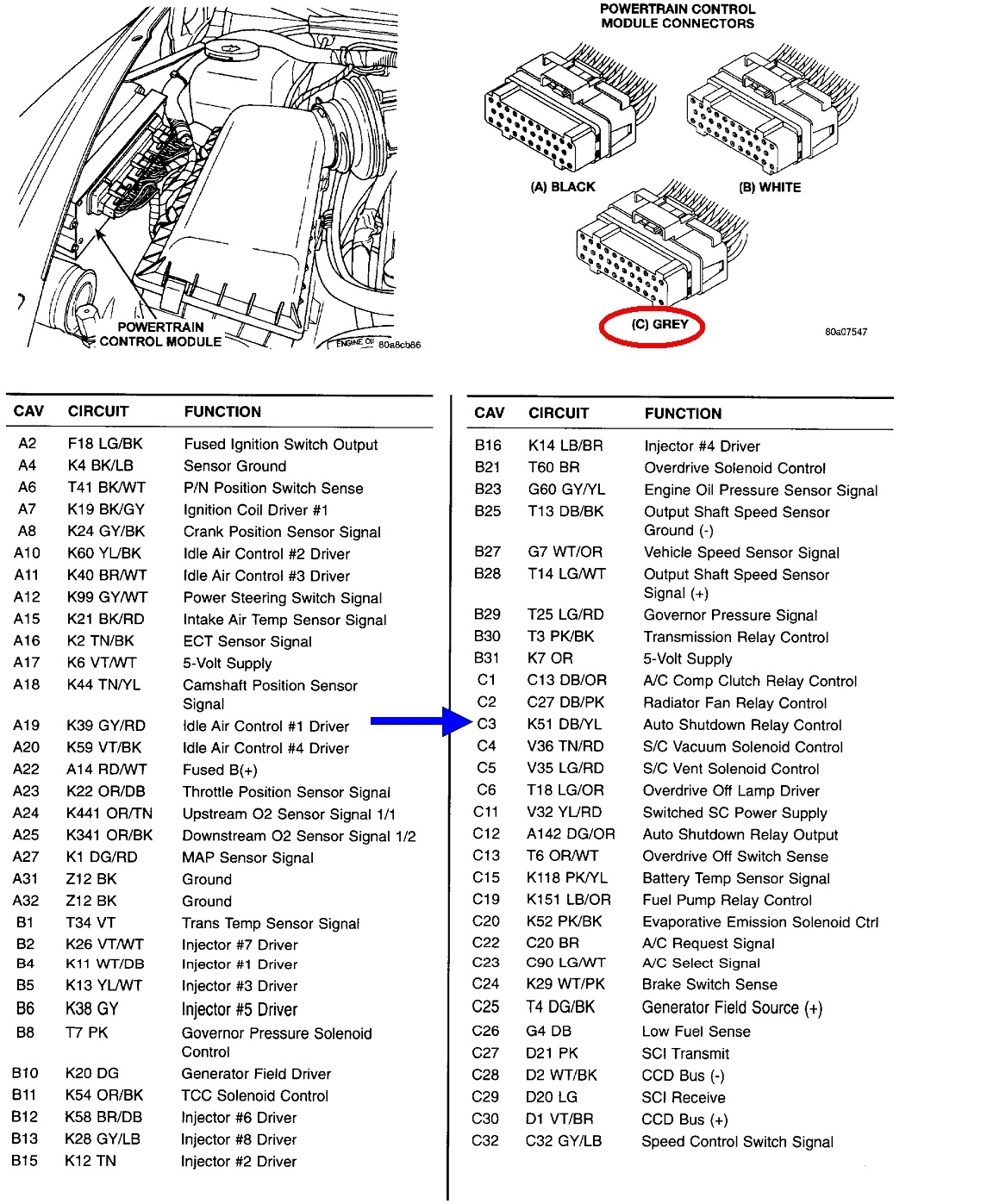
If you do not see the light for that first second, go to the ASD relay socket with that relay removed, and check for 12 volts on terminal 30. It should be there all the time. If it's missing, suspect fuse # 3, a 30-amp is blown. I can't find the full listing for the under-hood fuse box, but it appears fuse # 3 is one of the ten large cartridge-type fuses just left of the ASD relay in this first drawing. I pointed it out in the second diagram with a purple arrow.

Aug 25, 2026 at 3:13 PM
Avatar
DALEC6328
  • MEMBER
  • 65 POSTS
M man no freaking it's got power on the on the relay I don't know what I'm doing wrong
Aug 25, 2026 at 3:51 PM
Avatar
CARADIODOC
  • Experienced Mechanic
  • 34,366 POSTS
Don't panic. We'll handle it.

If you have 12 volts on terminal 30 in the relay socket, we're good up to that point. Next, pop one of the other relays like it into that spot. Use the horn or wiper relay. we just need a known good one. Place your finger on it, then feel for its click on, then off when a helper turns the ignition switch to "run". If you feel that double click, we can move on back to testing at an injector. Remember, you only expect to see the test light turn on for one second when the ignition switch is turned on to "run". If you don't see that, check the test light's ground clip to be sure it's making good contact. Put it right on the battery's negative cable clamp.

If you never see the 12 volts right at an injector, we have to investigate a break in that dark green / orange wire, possibly a corroded splice or bad connection between a pair of mating connector terminals.

I'll be back tomorrow to see what you find.
Aug 25, 2026 at 7:53 PM
Avatar
DALEC6328
  • MEMBER
  • 65 POSTS
Terminal 30 gets 12v. I swapped relays around and I think I'm just getting a residual click from the other relays because it's not a definitive click
Aug 26, 2026 at 3:27 PM
Avatar
CARADIODOC
  • Experienced Mechanic
  • 34,366 POSTS
Dandy. Next, refer back to the last drawing showing the relay terminals. Check on terminal # 86. All you have to do is turn the ignition switch to "run", then check for 12 volts on 86.
Aug 26, 2026 at 4:11 PM
Avatar
DALEC6328
  • MEMBER
  • 65 POSTS
As you so amusingly said.. "Dandy!" Love it. But yes 86 came on 12 v at run
Aug 28, 2026 at 6:12 AM
Avatar
CARADIODOC
  • Experienced Mechanic
  • 34,366 POSTS
Okay, if the relay is not clicking, and you have the 12 volts on # 86, the ignition switch circuit is working. That leaves terminal 85 is not getting grounded by the computer. It's looking like the Engine Computer is defective, but there's one more test we can do. The relay has to be plugged in for this test. We need to see if the 12 volts is making it all the way to the computer.

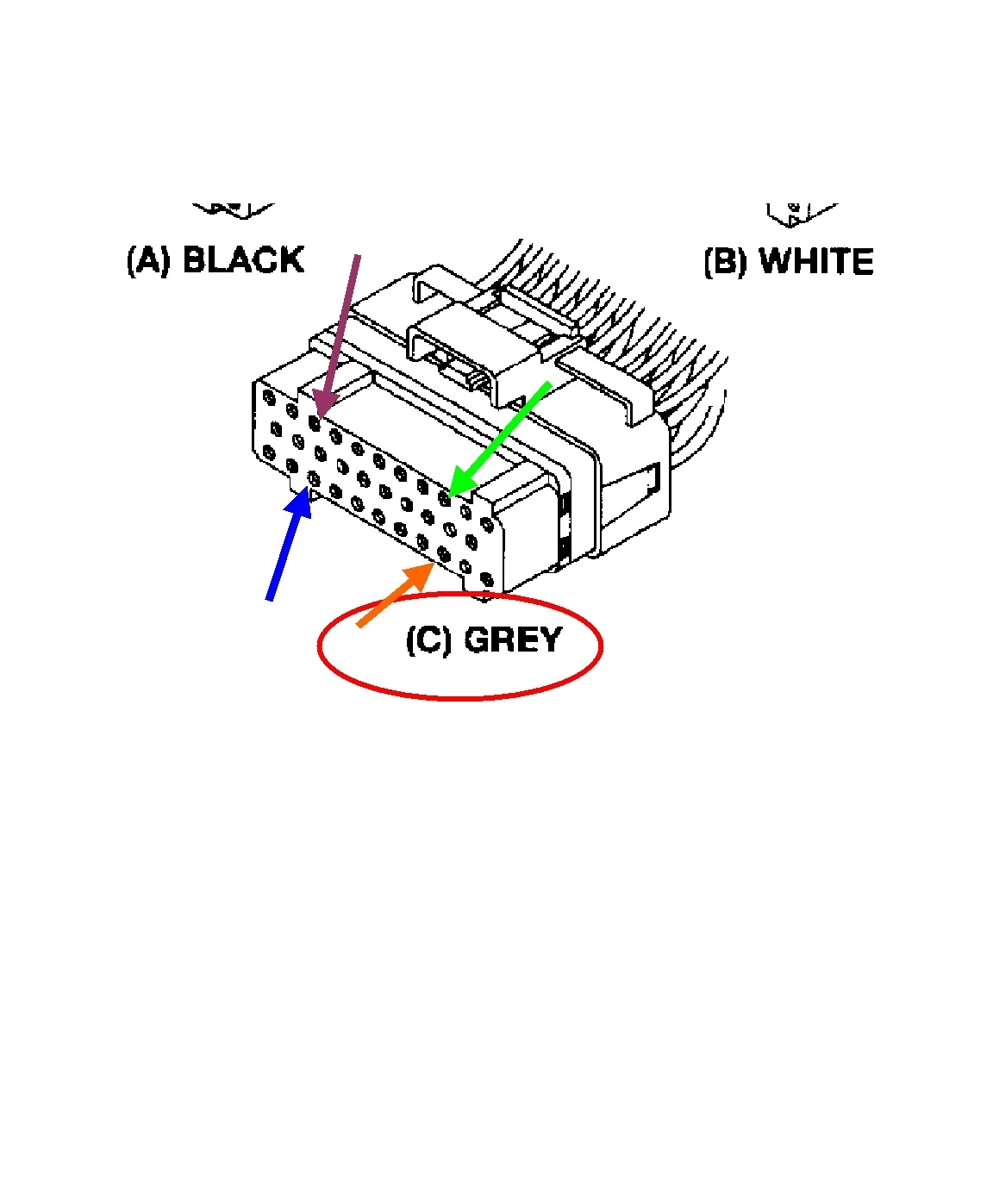
The Engine Computer is on the passenger side inner fender, (first drawing). The wire we're after is the dark blue / yellow which goes to terminal "C3". That means terminal # 3 in connector C. The red circle I added in the second drawing shows connector "C" is the gray one of the three. I was surprised to see they didn't include the terminal locations here, so you'll have to go by wire color. The numbering always starts in one of the corners, then goes across to the far opposite corner. Terminal # 3 is going to be at one of the four arrows in the third drawing. I have a suspicion it will be at the purple arrow, but look for the dark blue / yellow wire to see which corner it's closest to.

A word of warning here. It's fine to unplug this connector, but don't try to take it apart. I did that on our '97 Dakota at school, then it took me a couple of hours of frustration to get it back together. I don't know how they do it on the assembly line, but it was way harder than any other plug I've worked on. I had terminals flying everywhere with no way to hold them in their positions.

To add to the misery, I seem to recall these connectors have protective covers over the wires to keep water out, so you can't back-probe them to take readings. This is why you have to unplug the connector, then gently stick a sewing needle or a stretched-out paper clip in the terminal, then touch the test light's probe to that to take the reading. You should find 12 volts there all the time the ignition switch is in "run".

By the way, without going into the gory theory, the test light is the better choice here over the digital voltmeter. The light will give more accurate results in this type of circuit.

Let me know what you find now, then we'll continue on.
Aug 28, 2026 at 6:49 PM
Avatar
DALEC6328
  • MEMBER
  • 65 POSTS
Is there a way that I can repair the ecu
Aug 28, 2026 at 11:01 PM
Avatar
DALEC6328
  • MEMBER
  • 65 POSTS
Okay so I did with you asked me to do the and they and they did light up C 3 lit up and C 12. While I was bored I went YouTube hunting videos and I saw some stuff on the ignition coil testing it down underneath in them two pins and they they both one side will come on on run as in the other side would pulse on crank and run so that's what's up on the ignition coil I was playing around these relays a little bit and it dang near cranked up on its own. So what all relays do I need for my truck?
Aug 29, 2026 at 12:54 PM
Avatar
CARADIODOC
  • Experienced Mechanic
  • 34,366 POSTS
I'm getting confused from trying to interpret too much information. It sounds like there's enough engine operation to prove the ASD relay is turning on correctly, but your previous test result point to it not turning on. That would suggest the test light test at an injector gave false results. That can happen when the test light's probe doesn't make good contact with the terminal in the injector's connector, or when the test light's ground clip has a bad connection due to the surface is covered in paint or rust. When I use a test light under the hood, my first test is to the battery positive post. If it lights up, I know the clip lead is making a good ground connection, then I know I can trust the next tests.

If you see the test light pulsing on one ignition coil terminal, that can only happen when the other terminal has 12 volts from the ASD relay, and the computer knows when to fire the coil, and is doing so. That tells us we should not be trying to diagnose the ASD or starter circuits as they are both working.

You need four things for the engine to run. Those are fuel, spark, compression, and the correct timing of all those events. If only the timing was wrong, you'd hear all kinds of popping and back-firing. Compression is likely okay as the engine has run at times. If only fuel was missing, either from lack of sufficient pressure or from failure of the injectors to fire, the engine would run briefly on starting fluid. You might try that before we move on.

That leaves ignition. Even though you see the computer pulsing the ignition coil, it's doing that to the primary half. There still could be a problem with the secondary side, so we should check for spark next. Do that now if you know how. If you don't, keep reading.

To check for spark, unplug the coil wire from the middle of the distributor cap. The distributor is way in back, close to the firewall in the middle of the engine. Some brave people will hold that terminal close to ground, but not me. I've been shocked too many times. I prefer to stick a screwdriver into the terminal, then lay the metal blade close to ground leaving a small gap of about 1/4". Watch in that gap while a helper cranks the engine for just a few seconds. You should see nice blue or white sparks with a noticeable snapping sound. If you see that, we can move on as the ignition system is working.

Let me know how this turns out.
Aug 29, 2026 at 3:11 PM
Avatar
DALEC6328
  • MEMBER
  • 65 POSTS
Well I pulled a plug and spark checked it. Has spark. But I haven't tested that ignition coil or the injectors yet. I gotta wait for some help cranking up lol. Btw I hope you have had a good week and have a blessed weekend
Aug 29, 2026 at 5:59 PM
Avatar
DALEC6328
  • MEMBER
  • 65 POSTS
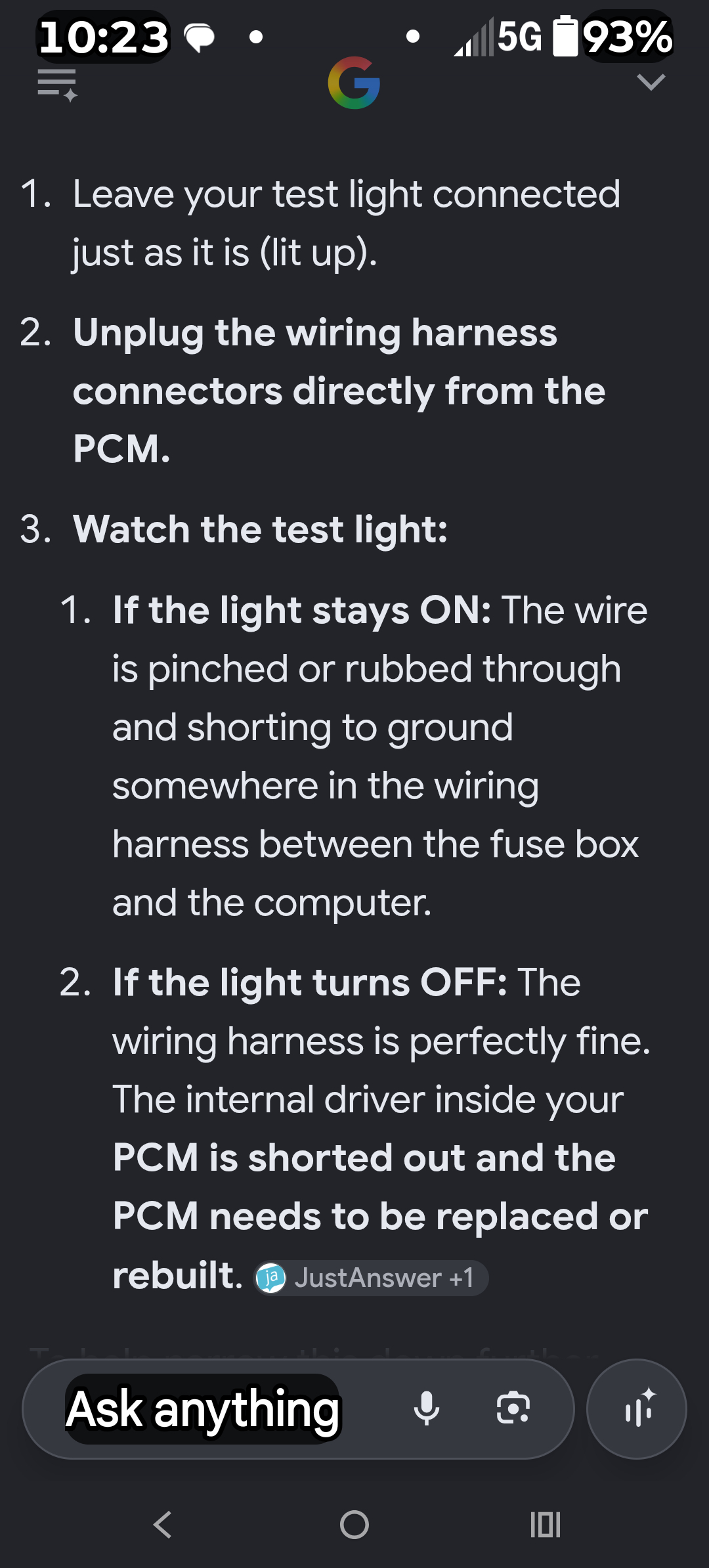
So I think I came up with a good question for Google. Ecu unplugged, test light stayed on
Aug 30, 2026 at 7:38 AM
Avatar
DALEC6328
  • MEMBER
  • 65 POSTS
When you look at a new camshaft or crankshaft position sensor, if you see it has an oval-shaped bolt hole for mounting it, or a "U"-shaped slot, that design is adjustable for how far it is stuffed into the engine. That air gap is critical. To set that gap, new sensors come with a thick paper spacer glued to the end, or a thin plastic rib is molded onto the end of it. The paper spacer will slide off and be lost the first time the engine is cranked. The thin plastic rib can wear down a little. If you remove, then reuse one of these sensors, you can get a new paper spacer from the....... Well I wasn't the only one trying to put it in. But it does seem like I remember some sort of rubber that was getting in the way of putting in the crankshaft position sensor. I didn't finish putting it in but is it to late for the new one if it got fully tightened without that spacer?
Aug 30, 2026 at 11:11 AM
Avatar
DALEC6328
  • MEMBER
  • 65 POSTS
If only fuel was missing, either from lack of sufficient pressure or from failure of the injectors to fire, the engine would run briefly on starting fluid. You might try that before we move. I can put a little gas in the throttle body and it'll crank up until the gas is gone.
Aug 30, 2026 at 11:36 AM
Avatar
DALEC6328
  • MEMBER
  • 65 POSTS
I redid the injectors test and got constant on gr/or. And I got a pulse on crank on the other wire
Aug 30, 2026 at 11:45 AM
Avatar
DALEC6328
  • MEMBER
  • 65 POSTS
Oh and I got spark from testing a plug
Aug 30, 2026 at 11:46 AM
Avatar
DALEC6328
  • MEMBER
  • 65 POSTS
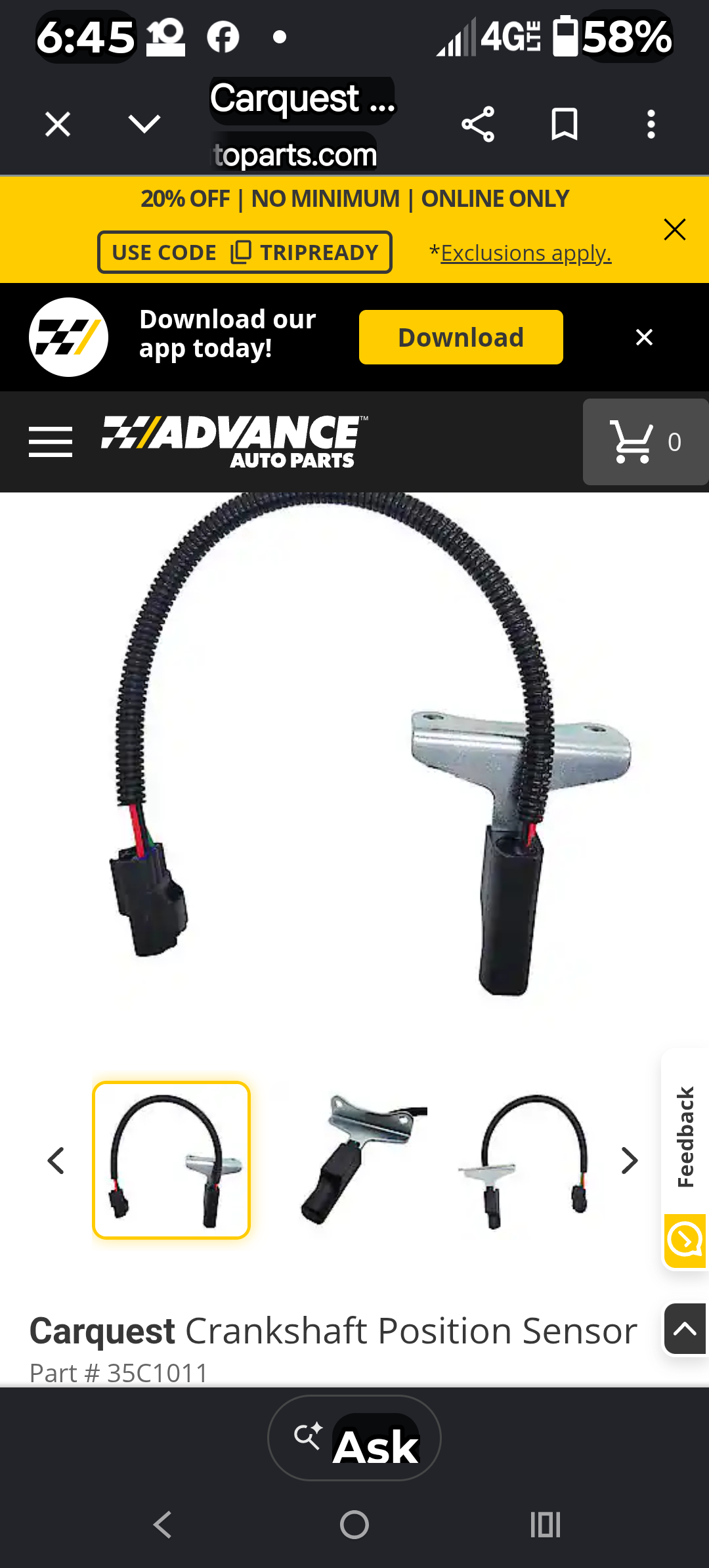
This is the crankshaft position sensor I put on it. I don't see any paper but I definitely remember feeling rubber dead in the way of the tight angle of the hole spacing
Aug 30, 2026 at 3:47 PM
Avatar
CARADIODOC
  • Experienced Mechanic
  • 34,366 POSTS
You can see that the mounting bracket on this design sets the air gap for you. There is no adjustment and no spacer necessary.

Now it's sounding like everything else is working. If you have spark, the ASD relay and circuit is working. The cam and crank sensors are working. Next, check the fuel pressure with a gauge. Many auto parts stores will borrow them to you. Let me know what you have for pressure.
Aug 30, 2026 at 4:09 PM
Avatar
DALEC6328
  • MEMBER
  • 65 POSTS
Hehe.... I got pheeeewwwwww at the gas cap. Just joking
Aug 30, 2026 at 5:03 PM
Avatar
DALEC6328
  • MEMBER
  • 65 POSTS
My problem is that my helper is 75 and gets mad at me for asking him to help me do tests he says he's already run. But he also says he hates electrical and especially Chrysler. So is there a way for me to self test the ignition coil at the distributor?
Aug 30, 2026 at 6:14 PM
Avatar
DALEC6328
  • MEMBER
  • 65 POSTS
I don't have a fuel pressure gauge and like I was saying, I hate having to keep going into my friends pockets. Anyway to dyi test it?
Aug 30, 2026 at 6:16 PM
Avatar
DALEC6328
  • MEMBER
  • 65 POSTS
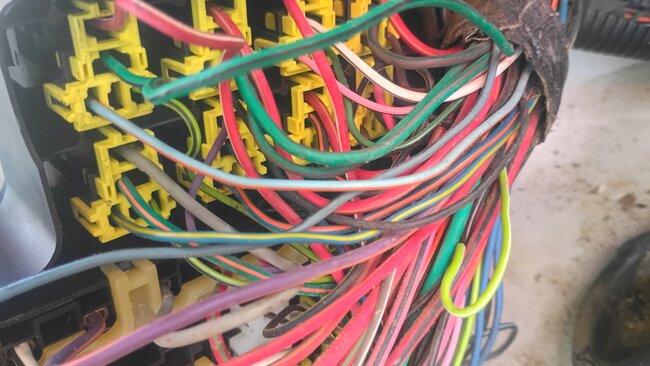
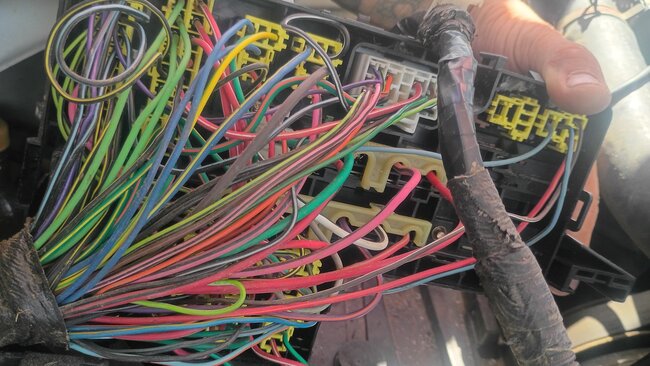
I keep forgetting to bring up the joint connectors on the relay box. Possibilities of some corrosion or something?
Aug 30, 2026 at 6:17 PM
Avatar
DALEC6328
  • MEMBER
  • 65 POSTS
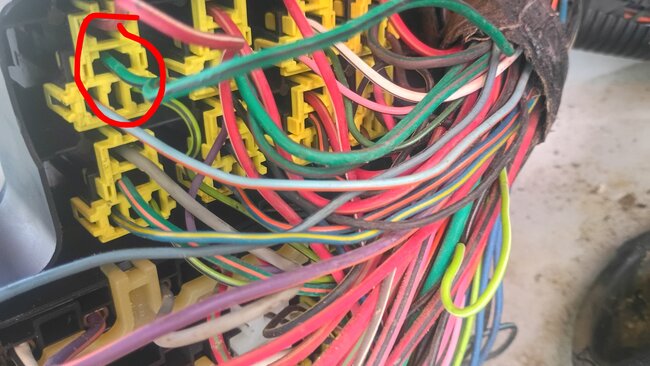
So I took off the PCM so I can check all of the connectors, test wire continuity, and repair showing the underside and then the fuel pump relay specifically because my friend came out and helped me do tests and he knows how to read everything tool wise and the fuel pump is not sending fuel nor doing the 3 second prime.
Aug 31, 2026 at 9:16 AM
Avatar
DALEC6328
  • MEMBER
  • 65 POSTS
This is the fuel pump relay
Aug 31, 2026 at 9:20 AM
Avatar
CARADIODOC
  • Experienced Mechanic
  • 34,366 POSTS
You're still going off in unneeded directions. You found that you have spark, so we know the ignition coil is working, the ASD relay is getting turned on when it's supposed to, and the cam and crank sensors are working properly. That just leaves fuel.

Since the ignition coil is firing, there's a 99.99 percent chance the injectors are being fired too, but they won't spray any fuel if you don't have fuel pressure. I saw that you do have a separate fuel pump relay, but while it's on its own circuit, it gets turned on and off at exactly the same times as the ASD relay. Listen by the gas tank. Chrysler fuel pumps are pretty quiet, but you should be able to hear its hum for one second when your helper turns the ignition switch to "run". You won't hear it turn back on during cranking over the noise of the starter.

If you don't hear the hum of the fuel pump for that one second, the pump itself is the best suspect, although there are a couple of tests we can do first. With a bad fuel pump, the engine will start and run for a few seconds if you spray a little starting fluid into the fresh air tube.

Without going into the whole story at this time, if the truck was run out of gas, adding a gallon or two might not be enough to get it restarted. I know from experience on my '94 and '95 Grand Caravans, I have to add at least five gallons to get the engine to restart. Once running, it can use up most of that gas, like you'd expect.

If you find the fuel pump doesn't run, and you have 12 volts going to it at the correct times, it used to be common to go through four or five aftermarket replacement pumps that would each fail within a week. Then, out of frustration, you get a pump from the dealer and have no more problems. In fact, the problem had nothing to do with the first pumps not being Chrysler pumps. The fix for this turned out to be the need to have the gas tank steam-cleaned at a radiator shop. Microscopic debris, including mold feeding on the ethanol in today's gas, would plug the pump's impeller causing it to lock up. Chrysler pumps are extremely quiet, but they're built to very tight clearances to achieve that. That makes them susceptible to getting plugged. By the fourth or fifth replacement pump, that debris has been collected, then the next pump, in this case, the Chrysler pump, continues to work fine.

Anyway, if you can't hear the pump run for one second, we have to start there. If you can hear it run, we have to determine if it's building pressure. Without looking to be sure, I think your truck calls for around 45 to 50 pounds of fuel pressure. If you press the valve in the test port on the fuel rail on the engine, that's enough pressure to spray gas onto the bottom of the hood, and into your eyes. This is definitely not an accurate or reliable test. If you see just a tiny dribble of gas from the test port, consider that as "no pressure".
Aug 31, 2026 at 7:29 PM
Avatar
CARADIODOC
  • Experienced Mechanic
  • 34,366 POSTS
Another way to approach this is to use a jumper wire or stretched-out paper clip to jump terminals 30 to 87 in the fuel pump relay's socket. That will give you all kinds of time to crawl underneath, if necessary, to listen for the hum of the pump.
Aug 31, 2026 at 7:33 PM
Avatar
DALEC6328
  • MEMBER
  • 65 POSTS
Ok so we have had a breakthrough today!!!!. I know that I was going above and beyond but at the same time, this was a number 1 answer that everybody I came across said might help. I cleaned every relay pin plus tightened them. My last idea was to clean up the joint connectors. I actually think that is where the problem is. But we straight wired the fuel pump to the battery on the crank wire and VOILA!!!!!! I still want to know how to fix it correctly.
Aug 31, 2026 at 9:19 PM
Avatar
DALEC6328
  • MEMBER
  • 65 POSTS
See!
Aug 31, 2026 at 9:26 PM
Avatar
CARADIODOC
  • Experienced Mechanic
  • 34,366 POSTS
I need to know which wire you hot-wired. If you ran a constant 12-volt wire back to the pump, that still leaves a lot of undiagnosed circuitry. If you grounded the low-current, (coil) side of the fuel pump relay, that would prove the high-current half is okay and we need to look at why the Engine Computer isn't doing it.

This is a good time to explain the reason the system is designed this way. In the event of a crash where a fuel line gets ruptured, as long as the ignition switch remained on, the fuel pump would continue running and it would dump a lot of raw gas onto the ground. Obvious very serious fire hazard. Instead, with a ruptured fuel line, there could not be any fuel under pressure, so the injectors would stop spraying in fuel. The engine would stall, then there would no longer be signal pulses from the crankshaft position sensor or the camshaft position sensor. When either of those signals goes missing, (loss of engine rotation), the Engine Computer turns the ASD and fuel pump relays off. That stops the gas from being dumped on the ground, and it removes the 12 volts to the ignition coil and injectors so a bare wire there can't spark a fire.

How to look at the proper repair depends on exactly what you did to get the engine running. Obviously, the cam and crank sensors are working, and the ASD relay and circuits are okay. Tell me very specifically which terminals you used and how you jumped them.
Sep 1, 2026 at 6:18 PM
Avatar
DALEC6328
  • MEMBER
  • 65 POSTS
Well I took apart the PCM and cleaned and tightened every slot then air hose blew them out and I sandpapered every relay pin as well as the fuses then I put that back together and dude got home and he jumped the wire on the far right side of the wiring harness. 8 said that was the wrong one that he needed to do the next one to the left (the green and black wire.... Hehe) tried cranking and it worked. Took off the jumper wire and it cranks every time without gas pedal but it idles at 1100rpm....
Sep 3, 2026 at 1:00 PM
Avatar
DALEC6328
  • MEMBER
  • 65 POSTS
Which that one went to pin 85 on the fp relay
Sep 3, 2026 at 3:00 PM
Avatar
CARADIODOC
  • Experienced Mechanic
  • 34,366 POSTS
Wonderful. Now, if the engine cranks and runs on its own, we can address the high idle speed. It's a good bet minimum throttle hasn't been relearned yet as that requires a road test. Idle speed is going to be too low. 99 percent of the time, especially in this case, high idle speed is caused by a vacuum leak. That allows too much air into the engine, but without the proper amount of fuel to go with it. To say that a different way, yes, you do get higher engine speed, but with greatly reduced power. The truck should be drivable, but you'll have to brake a little harder than normal.

First, listen for the vacuum leak. If you can't find it that way, pinch off various vacuum hoses to see if one brings the idle speed down. There will be a vacuum hose routing diagram under the hood to show you where they run to. A big one goes to the front of the power brake booster. Smaller hoses run to emissions-related stuff. There can also be a small, hard plastic hose, often purple or black, running through the firewall to the heater controls on some models. Those have been known to slide back and forth through the firewall hole and wear a small hole into the hose.

A tiny hole worn into the plastic hose going to the heater controls usually won't cause high idle, as that leak isn't big enough, but it can cause the heater vents to not change position. It will default to the defrost position.

Another trick is to spray carburetor cleaner around the vacuum hoses while the engine is running. It will get sucked into the vacuum leak, then engine speed will change.

See how far that gets you.
Sep 3, 2026 at 5:50 PM
Avatar
DALEC6328
  • MEMBER
  • 65 POSTS
Ok so here's the problem with that atm. We got the truck for my son and we're waiting for him to get it legal so we can put it on the road. But just like everyone else, life happens. The truck is up on stands all the way around. Can I just put a brick on the gas pedal for 30 minutes and. Then do whatever you suggest? My friend with the license is adamant about it being legal which I don't blame him. Would running 25 miles an hour for 30 minutes in the air get the diagnostic logs useful?
Sep 4, 2026 at 8:38 PM
Avatar
CARADIODOC
  • Experienced Mechanic
  • 34,366 POSTS
If you're referring to relearning minimum throttle, there is no other way to do that other than driving it on the road. Until then, consider the low idle speed as an inconvenience, not as a problem.

The first thing the computer is looking for is the signal voltage coming from the throttle position sensor when your foot is off the accelerator pedal. That sensor is fed with ground and 5.0 volts, then it picks a voltage in between them based on how for you push the accelerator pedal. Mechanical stops limits the range of signal voltage to approximately 0.5 to 4.5 volts. Only defects in the circuit can allow the voltage to go outside those limits. That is what gets detected as a defect and causes diagnostic fault codes to set.

The first thing to abort the relearn is if the computer sees a signal voltage change of even a few hundredths of a volt. When it does, it assumes you have your foot on the accelerator pedal, so it leaves engine speed up to you and will not put a learned value into memory.

Tapping the brake pedal also causes the relearn to not take place. It's not unheard of for a brake light switch to be out of adjustment to the point it bounces on bumpy roads. If that bouncing occurs during coasting, it will prevent the relearn from taking place.

The main condition the computer is looking for is high intake manifold vacuum. Vacuum is developed by the pistons drawing in gulps of air against the throttle blade. That vacuum is relatively low when you're sitting in the garage, regardless of engine speed. You can snap the throttle open and closed quickly to create high vacuum, but that won't last more than one or two seconds. At the end of that snap, the computer still won't know if the accelerator pedal is fully released or if you're holding it down a little.

The only way the computer can know for sure your foot is off the accelerator pedal is that very high vacuum only occurs for seven seconds when you're coasting, AND there is a rock solid reading from the throttle position sensor that isn't changing even a little. As soon as it sees high vacuum and a solid TPS voltage for seven seconds, it immediately puts the TPS signal voltage in memory. From then on, any time it sees that same signal voltage, it knows it has to be in control of idle speed. The engine will start normally with a flare-up to 1500 rpm for a few seconds, then it will come down to around 800 rpm.

To add another layer of confusion to my wondrous story, no two sensors are ever exactly alike. If you were to replace the throttle position sensor with one that develops a lower signal voltage at idle, the computer will see that and immediately put that new value in memory. If the new sensor develops a slightly higher voltage at idle, you may need to do the coasting procedure to relearn the new value.

This is a really long story for a very minor problem with a simple fix. I like to bring it up so you're already aware of the solution if you run into the problem, and for the benefit of others researching a similar problem and running into the same thing. Chrysler was the first manufacturer to develop a computer-controlled automatic transmission. Those also go through learning cycles, but unlike with the Engine Computer, some scanners will allow you to do transmission relearns right in the shop without having to drive the vehicle. For minimum throttle, there's no other way than to drive it at highway speed.
Sep 5, 2026 at 2:55 PM
Avatar
DALEC6328
  • MEMBER
  • 65 POSTS
Ok with all that goodness, I'm still wondering if I can put a brick on the pedal for maybe 30 mph for a bit and then remove the brick without touching the brake.... Would it relearn the information that you are saying is missing?
Sep 5, 2026 at 3:39 PM
Avatar
DALEC6328
  • MEMBER
  • 65 POSTS
Ok highway speed, so 60 mph for (idk how long) with the brick on the gas pedal and then let it coast back to idle ... Possible reading fix without having to drive illegally?
Sep 5, 2026 at 3:41 PM
Avatar
CARADIODOC
  • Experienced Mechanic
  • 34,366 POSTS
Absolutely not. There is no other way to get high vacuum for seven seconds unless you're coasting and the wheels are pulling the transmission and engine. Minimum throttle is not something you should spend a lot of time worrying about. Just understand idle speed is going to be too low until you can go out and drive it.
Sep 6, 2026 at 5:54 PM
Avatar
DALEC6328
  • MEMBER
  • 65 POSTS
Alright. We just have to wait for my son to get it legal and then we can do the driving. On another note, it's leaking in the cab when it rains. How can I find the leak?
Sep 6, 2026 at 7:30 PM
Join 2CarPros for free, one of the most advanced car repair communities on the internet. From first-time drivers to seasoned mechanics, everyone is welcome to reply, share details, and get better answers. You can add a temporary image or video first; uploads are limited to 20 MB.
Ask a Free Question
Repair Safety Notice: This information is for general instructional purposes only. Vehicle repair can be dangerous. Verify all information, follow manufacturer service procedures, use proper tools and safety equipment, and consult a qualified repair shop when needed.