Crank no start

2006 JEEP LIBERTY
195,000 MILES • 3.7L • V6 • 2WD • AUTOMATIC
Avatar
DOE210
  • MEMBER
  • 2 POSTS
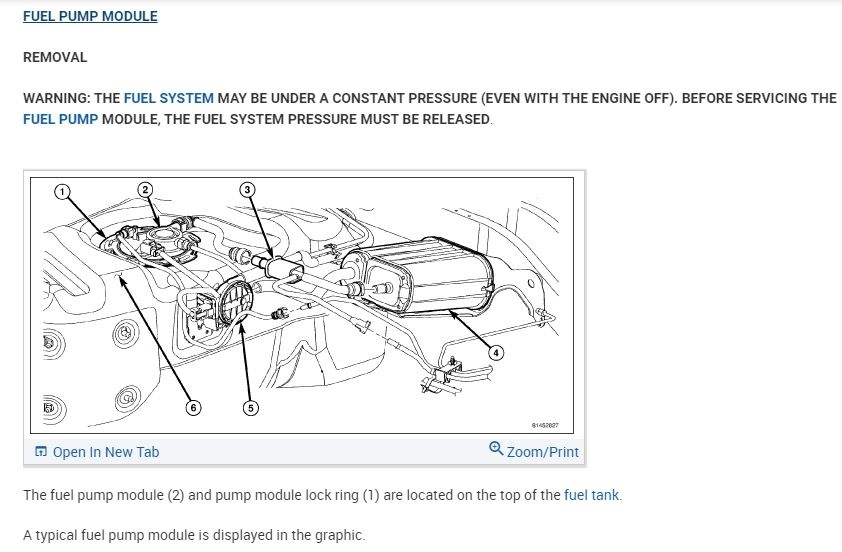
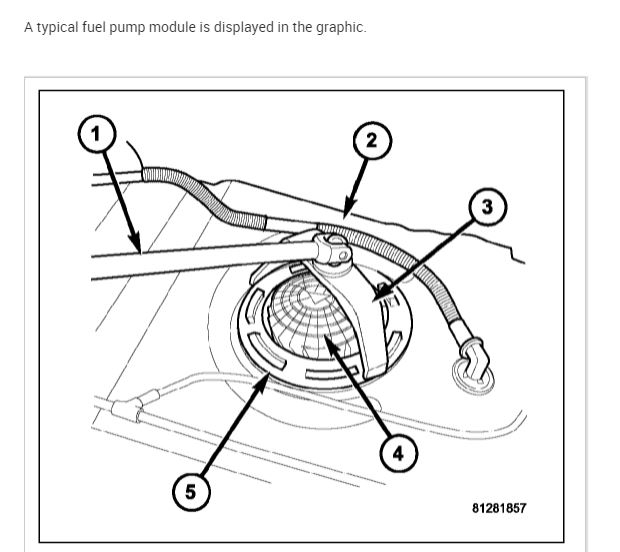
I replaced the fuel pump in the assembly yesterday and took it for a test drive. Everything was good. This morning it started up and I drove 4 blocks from my house to a red light then while pushing the gas pedal to go it felt like I was lagging on power compared to the test drive yesterday. I let off the gas and the engine fluttered really quick and turned off. I tried to start up the engine again and I heard the fuel pump working but the engine just wouldn't start. It cranked but no start. Popped open the hood to check out the fuel pressure release valve to see if it were getting enough pressure build up and it didn't spray out as I assumed it would. It slowly poured out like a stream instead of a spray. Am I not getting the proper amount of pressure in my fuel system to turn over the engine? What did I miss? Is there a way to adjust the pressure or adjust the fuel regulator and if so, where would it be? Or is it possibly something else?
Nov 1, 2021 at 1:04 AM

Advertisement
Avatar
ASEMASTER6371
  • Experienced Mechanic
  • 52,796 POSTS
Good afternoon,

You need a pressure gauge to measure the actual pressure to be sure it is good.

It sounds like the new pump has failed. There is no adjustment for the pressures at all.

The correct fuel pressure is 400 kPa ± 34 kPa (58 psi ± 5 psi).

https://www.2carpros.com/articles/how-to-check-fuel-system-pressure-and-regulator

https://www.2carpros.com/articles/how-to-replace-an-electric-fuel-pump

Let me know if you have any other questions.

Roy

Nov 1, 2021 at 5:49 AM
Join 2CarPros for free, one of the most advanced car repair communities on the internet. From first-time drivers to seasoned mechanics, everyone is welcome to reply, share details, and get better answers. You can add a temporary image or video first; uploads are limited to 20 MB.
Ask a Free Question
Repair Safety Notice: This information is for general instructional purposes only. Vehicle repair can be dangerous. Verify all information, follow manufacturer service procedures, use proper tools and safety equipment, and consult a qualified repair shop when needed.