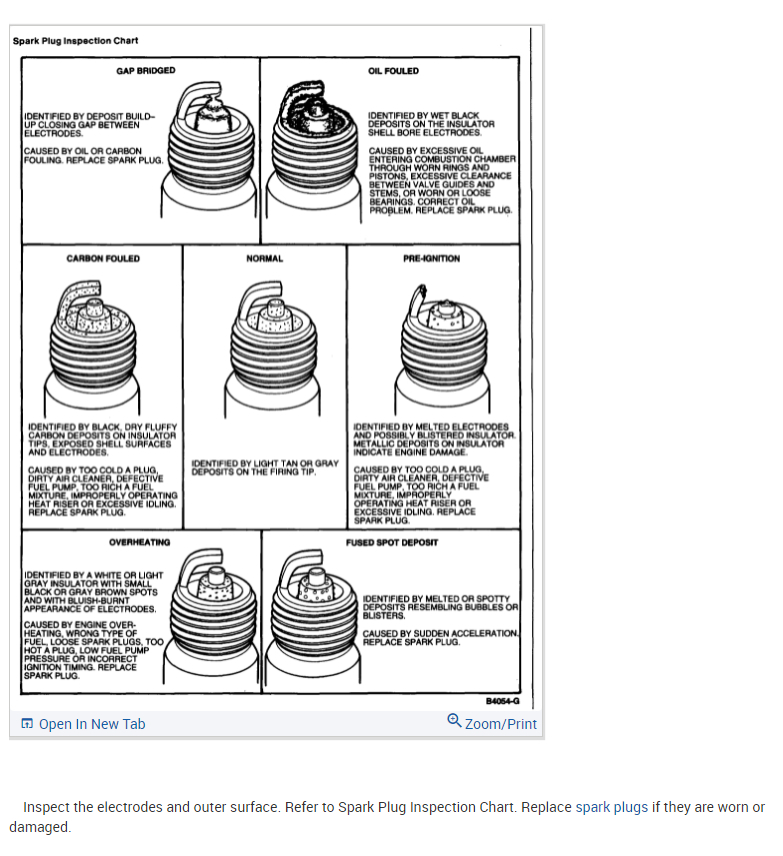
Hi, i'm glad I found this site because i'm stuck on this one and need help. Anyway, a few months ago I had my distributor replaced on my 91 integra LS, it has 128,000 miles and is a great car with great gas mileage, once this was done and the timing reset everything was fine. It had new plugs, wires, distributor, cap, and rotor button. After a while I had checked my plugs a few times then when the motor wrmed up it was misfiring really bad so I checked my plugs and discovered that cylinder 2 and 4 plugs were missing the screw on conductor on the top of the plug that the wire snaps onto so I replac ed them again this time with acura NGK-R plugs and I gapped them to factory specs. It ran wonderfully for a week and a half no problems at all then it started missing again real bad. From a dead stop until third gear I could hardly go once above 40 miles an hour it was fine, it was also idling rough too, then one day I went to start it and it didn't start and hasn't since. Whe I try to start it I just hear something grinding and its not cranking or turning over, please help me, i'm dying to get my car back out on the road. Also when I put new plugs in, after like a week I check them and they're always totally black and burned up, whats going on?????????
Jan 18, 2006 at 1:29 AM