engine cranks but not starting after rebuild

1975 FORD F-150
150,000 MILES • 4.9L • 6 CYL • 2WD • MANUAL
Avatar
JONATHANMURPHY2003
  • MEMBER
  • 1 POST
I have the truck listed above with a L6 4.9 300 engine. I pulled the cylinder head off and cleaned it all out, I put it all back together with new seals and now the engine cranks but won't start. I am getting good fuel pressure and spark. What are some things I should look for if I want it to get started?
Sep 1, 2021 at 10:55 PM
Advertisement
Avatar
JACOBANDNICKOLAS
  • Experienced Mechanic
  • 110,240 POSTS
Hi,

If you have spark and fuel, it should run. However, low compression can prevent it from starting. Did you remove the valves? Have you set valve lash?

If possible, could you record it cranking and upload it for me to hear? If not, I need you to check the engine compression. Here is a link that explains in general how to do it:

https://www.2carpros.com/articles/how-to-test-engine-compression

Here is a link that covers the most common causes of a crank no start. Take a look through it as well.

https://www.2carpros.com/articles/car-cranks-but-wont-start

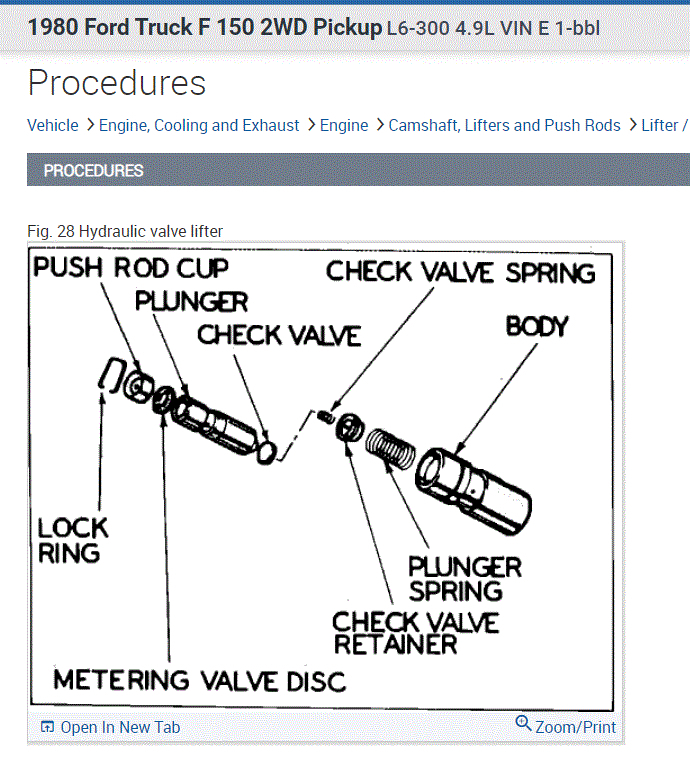
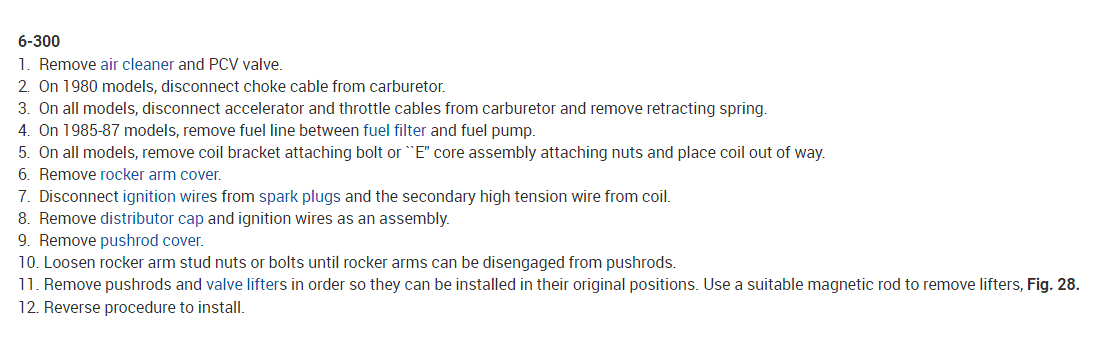
If you look at the attachments below, I found directions for adjusting valve lash. The oldest one I could find was for a 1980, but the engine is the same.

I'm attaching those directions because if they aren't properly adjusted, it can cause valves to not fully close. As a result, compression is lost and the vehicle won't start. Also, when you reinstalled the head, did you place the pushrods back in the same positions?

Let me know.

Take care,

Joe
Sep 2, 2021 at 1:41 PM
Join 2CarPros for free, one of the most advanced car repair communities on the internet. From first-time drivers to seasoned mechanics, everyone is welcome to reply, share details, and get better answers. You can add a temporary image or video first; uploads are limited to 20 MB.
Ask a Free Question
Repair Safety Notice: This information is for general instructional purposes only. Vehicle repair can be dangerous. Verify all information, follow manufacturer service procedures, use proper tools and safety equipment, and consult a qualified repair shop when needed.