2011 Ford Escape Stalls and Jerks
Could I ask what is prompting you to change the sensor and if this is the hybrid version of the Escape? What code(s) or issues?
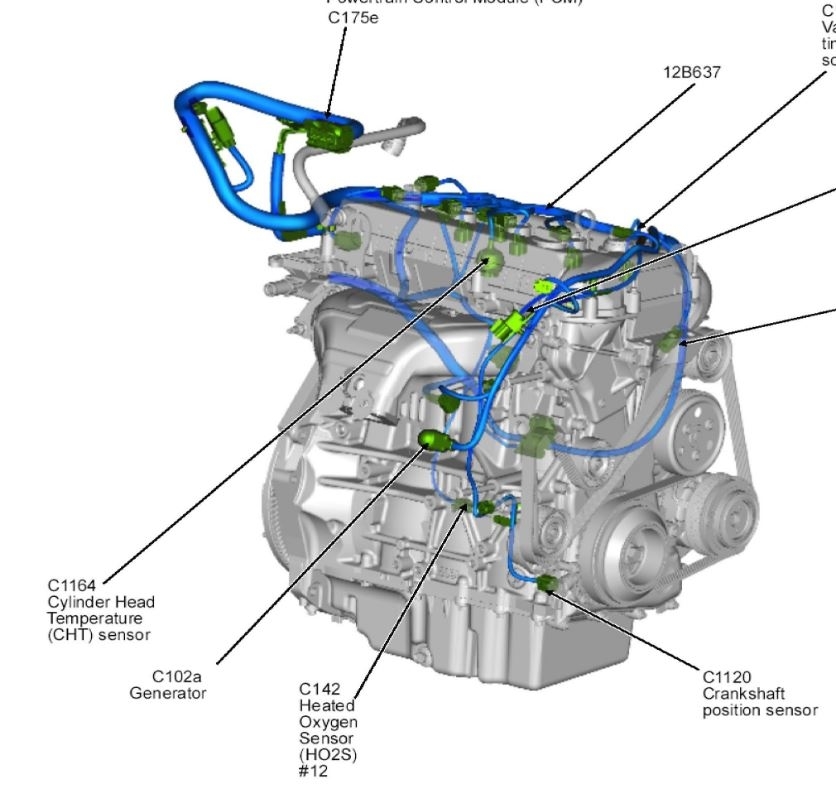
I ask because there is a known issue with the ECT setting false codes and causing unrelated issues due to a corroded connector (1164) on the ECT itself. The connector and sensor are located in the middle of the valve cover in the center of the top of the engine. Inspect the cover for dirt/debris that can block the drain area in the rear of the cover. Clean as required. Then remove the connector and check it for corrosion. Minor corrosion can be cleaned and apply some dielectric grease to prevent further damage. For extreme corrosion you will want to get a replacement pigtail for the ECT and a new ECT sensor. Replace the connector and sensor.
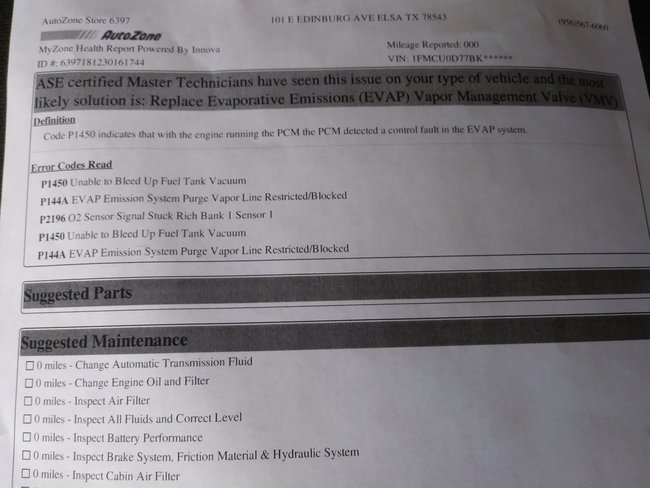
The vehicle has been jerking at stop lights occasionally, high gas consumption, will sometimes just turn off while driving-no mph change, just completely shut off, but lights still work, it also has a high idle, and the check engine light goes off and on. We did change the spark plugs recently, as well.
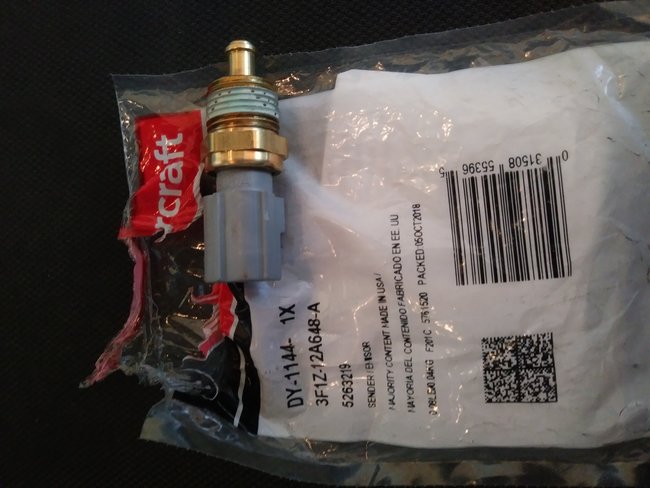
We got it tested and was told it was most likely the coolant temperature sensor.
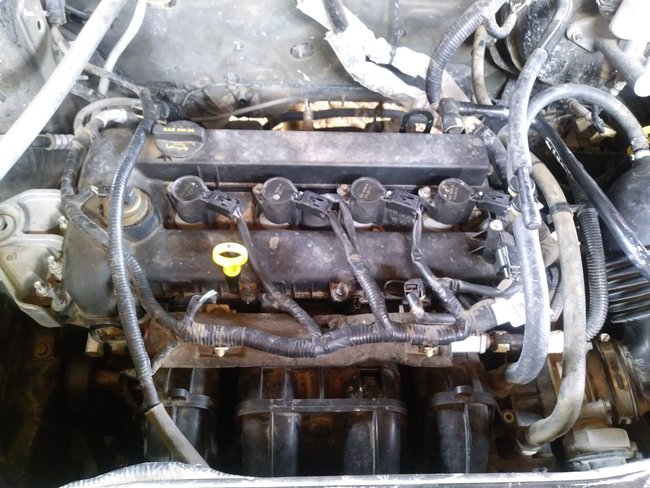
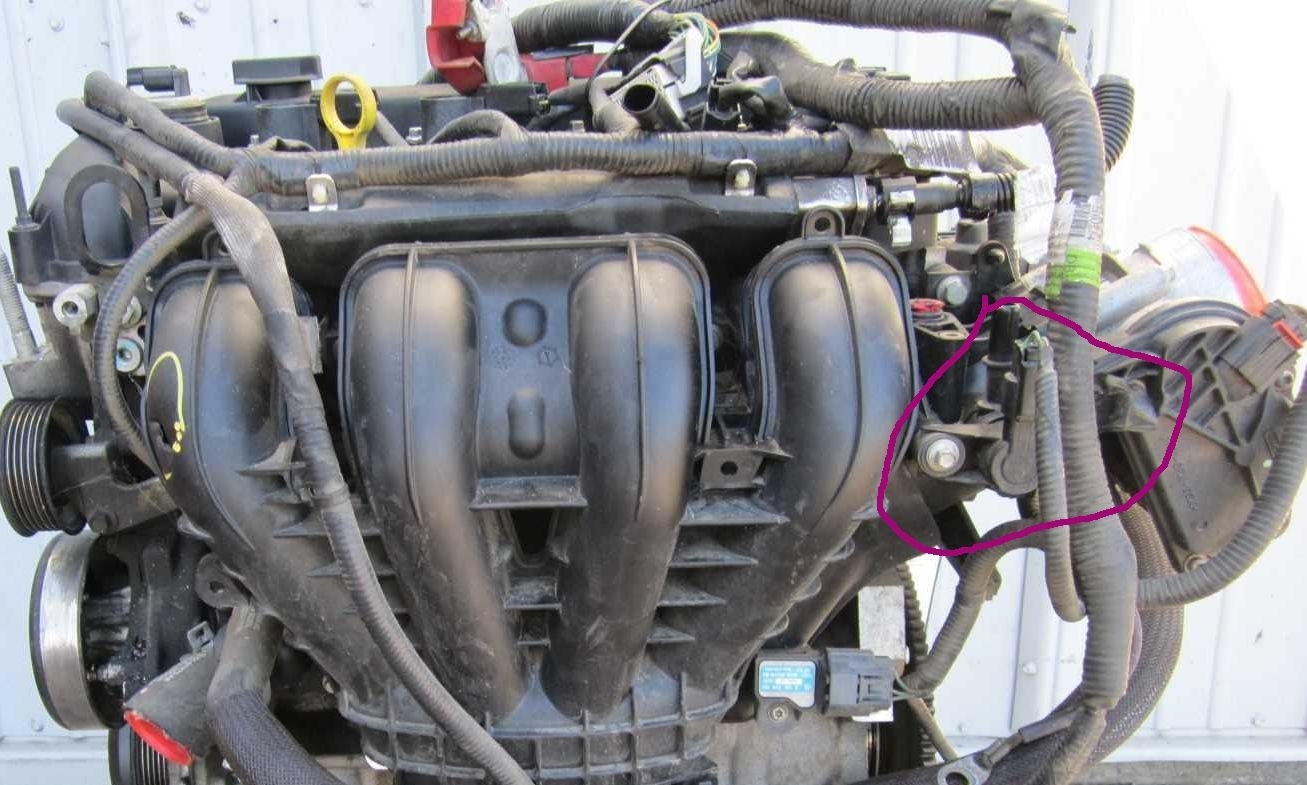
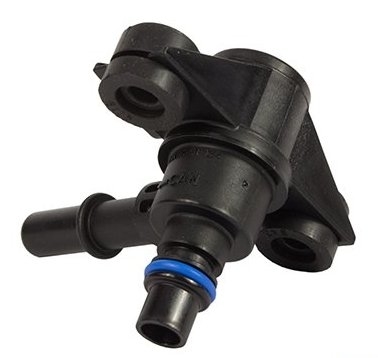
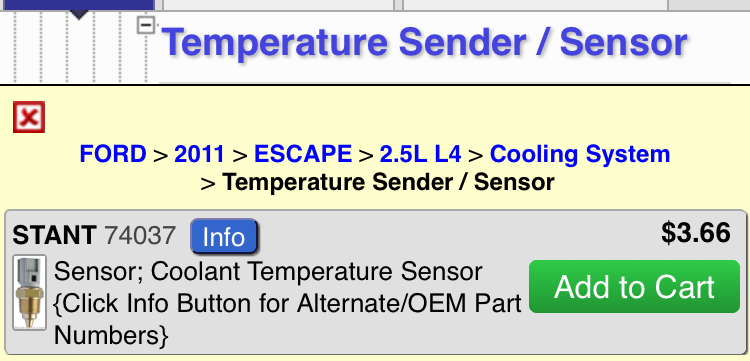
Attached are images of the codes we were given, the sensor we bought, and a top view of our engine.
The sensor you show only feeds the temperature gauge.
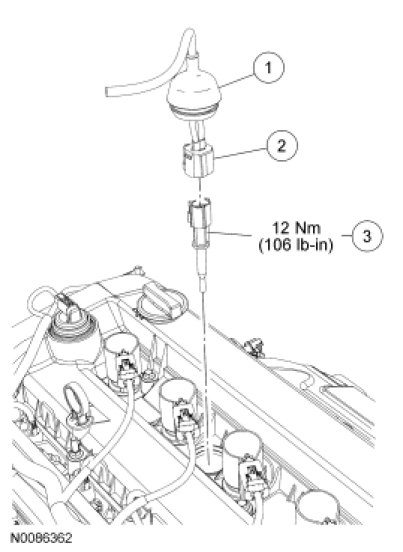
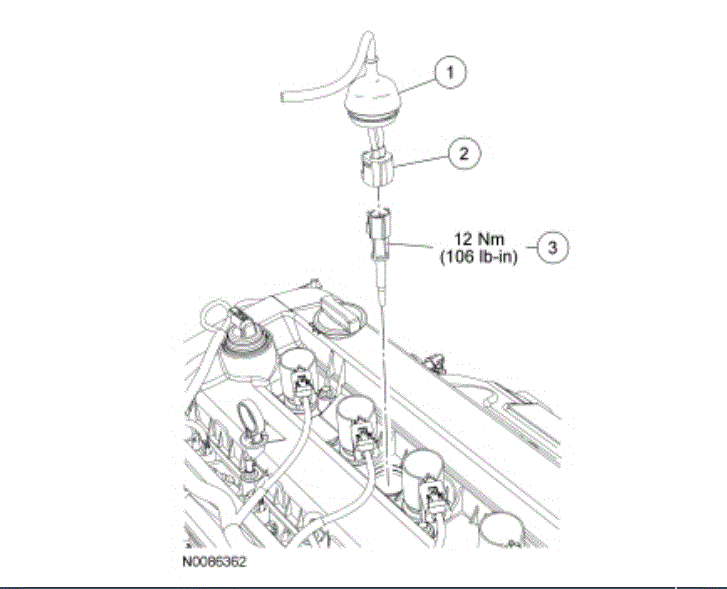
The engine temperature the PCM monitors is through the sensor located between the center two coils on the cylinder head. Under the rubber boot. That is the cylinder head temperature sensor.
It could cause a rich condition but it wouldn't cause the EVAP codes and a rich condition both like a stuck open purge solenoid would.
For that sensor all of the information I have doesn't show the ECT sensor you have being used on your engine in your vehicle, it shows only the cylinder head temperature sensor being used for the coolant temp input and fan control inputs to the ECM. Normally the newer Fords only use one or the other and not both types of sensor. It shows the 3.0 V6 engine as having the coolant sensor that you have.
Can you maybe send a picture of what the part is suppose to look like for our vehicle? We would much appreciate it.
Thank you. Thank you. Thank you!
And yes, Steve has been a great help, especially with sharing the images.
Great to hear that you got it taken care of. There are many times that we never hear back if it repaired the problem or not. Feedback always helps, even if it's negative.
Please return anytime with your automotive questions, We're here to help.
I attached a picture of the location for you of the sensor.
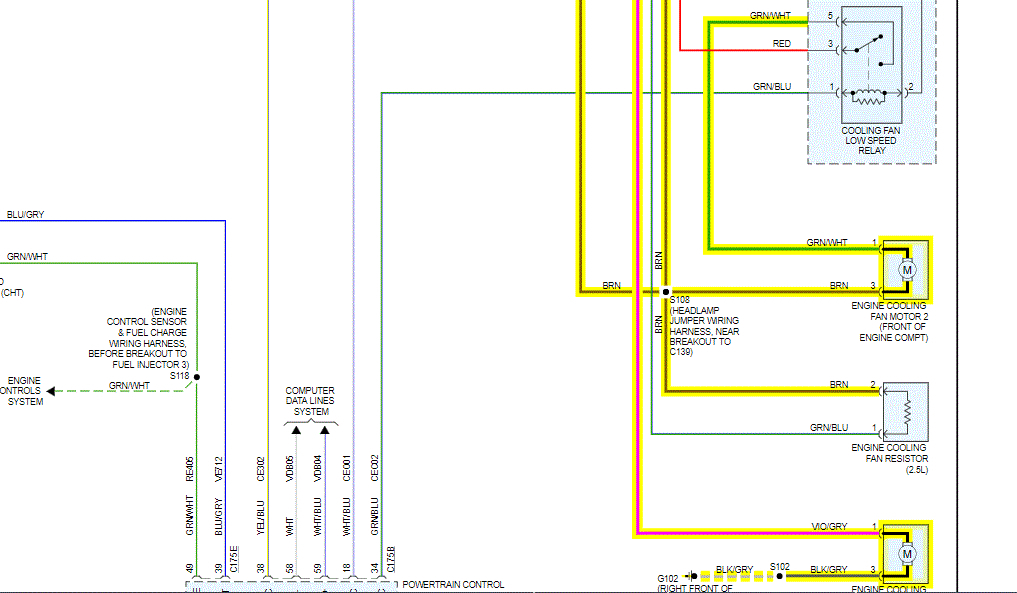
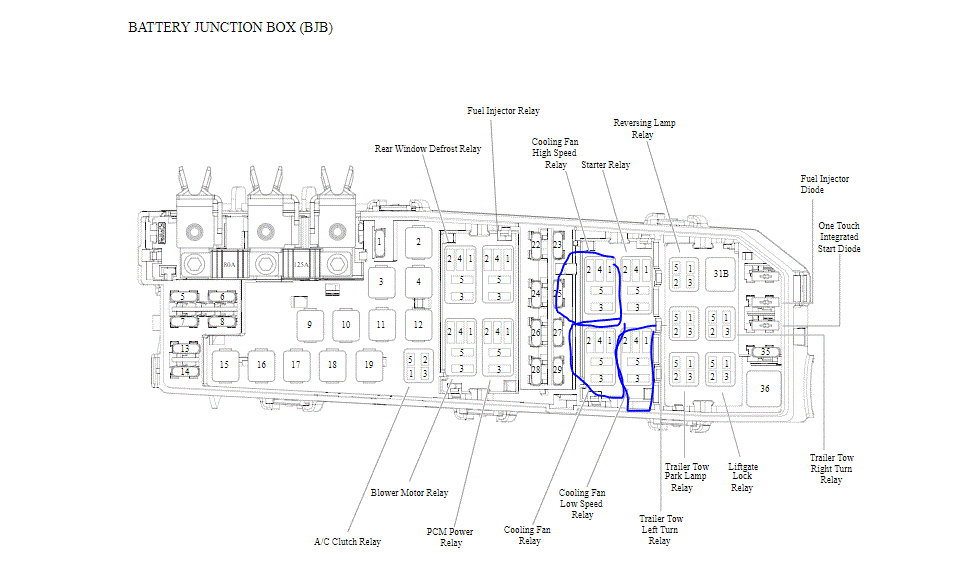
To test the system, turn the key to the on position and remove the connector from the sensor. The fans should come on full speed.
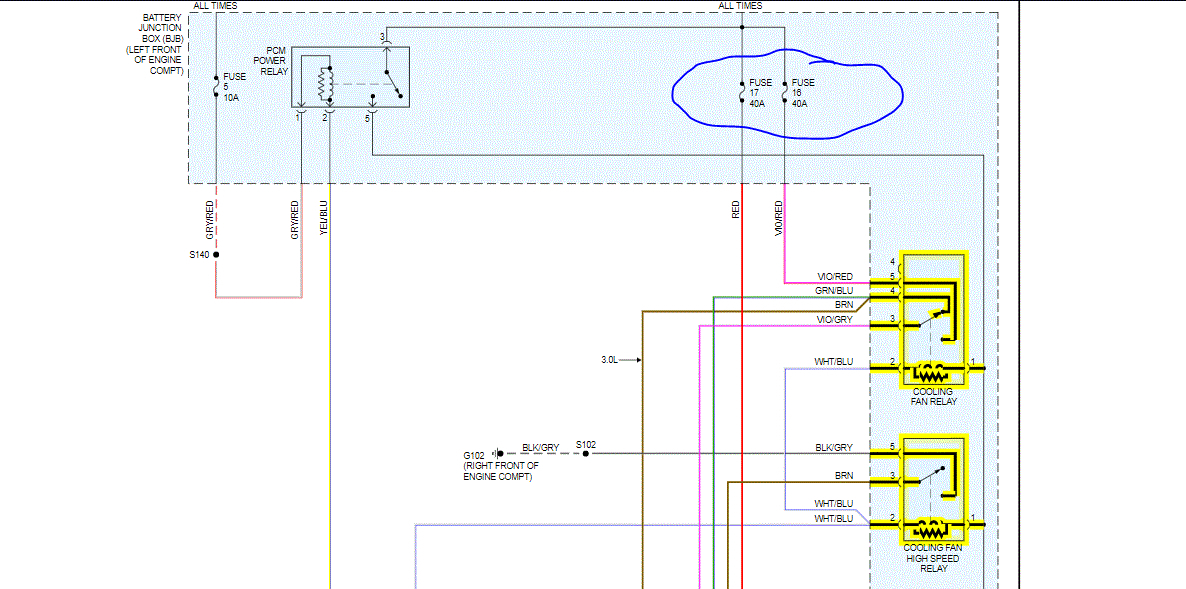
I attached a wiring diagram for you to view. You will need a test light and voltmeter to do some testing if it does not work.
https://www.2carpros.com/articles/how-to-check-wiring
https://www.2carpros.com/articles/how-to-check-an-electrical-relay-and-wiring-control-circuit
https://www.2carpros.com/articles/how-to-check-a-car-fuse
Roy
1) I’m not sure the connector was fully snapped into place.
2) when I unplugged the wiring connector the fans came on full speed instantly.
I also pulled the sensor to visually inspect it and it looks fine, I also blew out the dust in the port where the sensor goes along with the threads of the sensor. I also question the connection it might’ve had as well as it didn’t seem nearly as many turns to unscrew it as it was to put it back in fully with (1) 1/4 turn once fully threaded in. I inspected the wiring pigtail as well and there are some questionable spots but per my inspection I don’t see any breaks in wiring, bends yes so I smooth those out to be best abilities. I reset the error code as well and was gonna allow it to just run for a good 5 minutes get fully warm etc., and see what happens. What do you think I should do? Those maxi fuse 16 and 17 appear to be okay I don’t see any breaks in top portion of the fuse but truthfully those are hard to see.
I would replace that sensor and then let it run and see if the fans work correctly.
Roy
As far as temperature, the normal running is about 195-210 degrees. The low speed fans should come on around 204 and the high speed fan should kick in around 210-212.
Roy
Suggested Repair
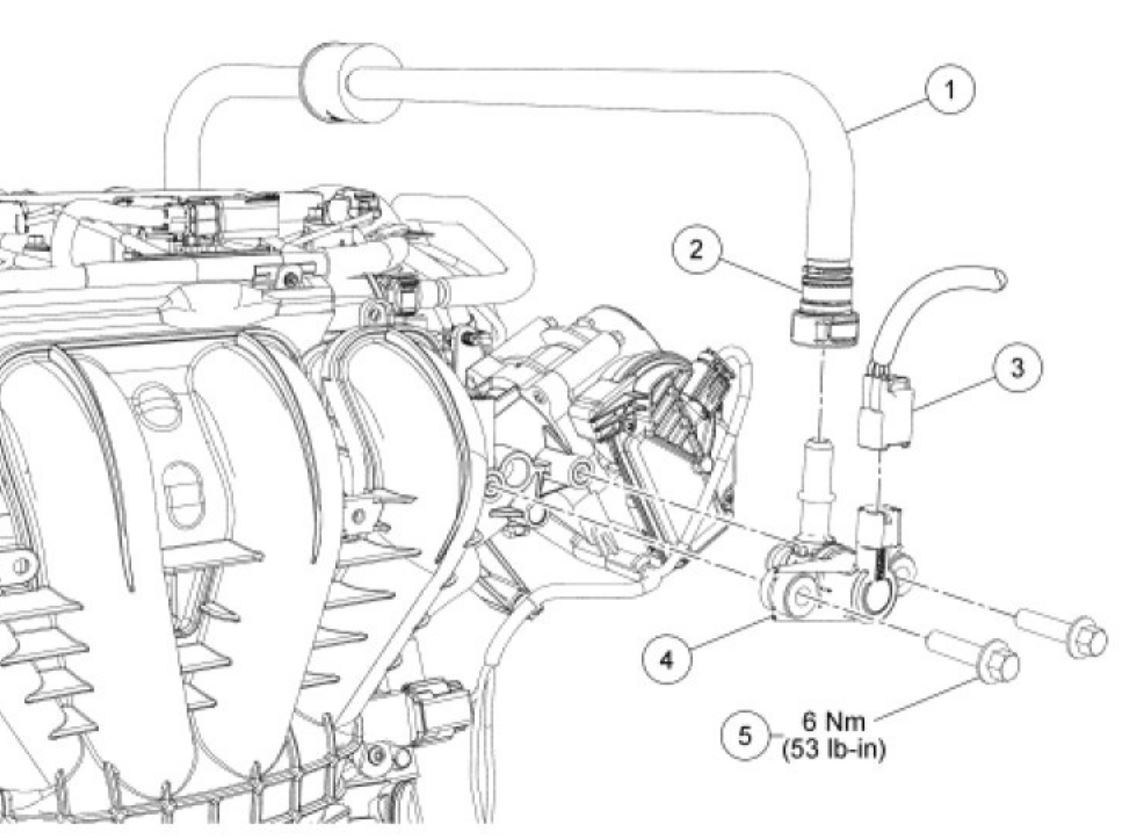
Test the EVAP purge solenoid by disconnecting its vapor hose and electrical connector, then start the engine. If vacuum is present at the open port, the valve is stuck open. Replace the solenoid, which bolts to the intake manifold between the large plastic section and the throttle body; unclip the vapor-line quick disconnect, remove the two bolts, and install the new valve in reverse.
Conversation Summary
The owner of a non-hybrid 2011 Ford Escape asked where the coolant temperature sensor was after jerking, high fuel use, occasional shutdowns while driving, high idle, and an intermittent check-engine light. After reviewing the codes, the expert said they pointed more to a stuck-open EVAP purge solenoid than the coolant sensor, and explained that the pictured sensor only feeds the gauge while the PCM uses the cylinder head temperature sensor between the center coils. The owner tested the purge valve and found strong suction, then replaced it and reported the vehicle ran much better. A later commenter asked about cooling-fan operation and whether the coolant and cylinder head temperature sensors were the same; that expert said unplugging the sensor and getting full-speed fans ruled out an electrical fault and recommended replacing the sensor, with low-speed fans expected near 204 degrees and high speed near 210-212.