Brake fluid leak and white steam

1994 FORD EXPLORER
110,000 MILES • 4WD • AUTOMATIC
Avatar
CHAD SATERFIELD
  • MEMBER
  • 1 POST
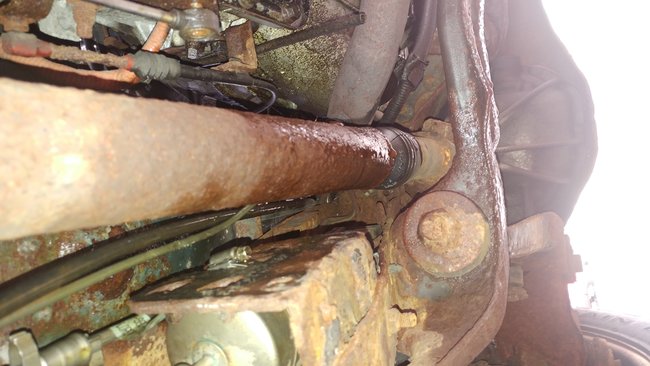
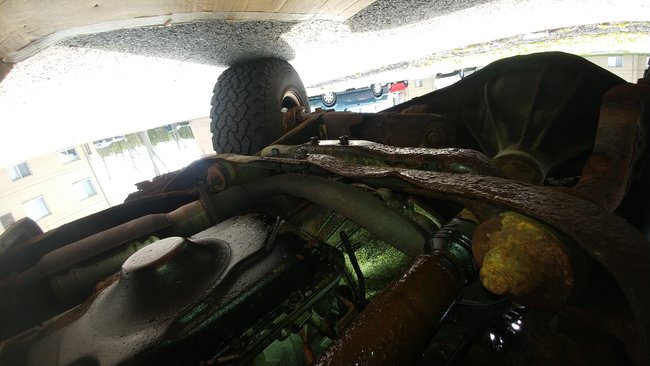
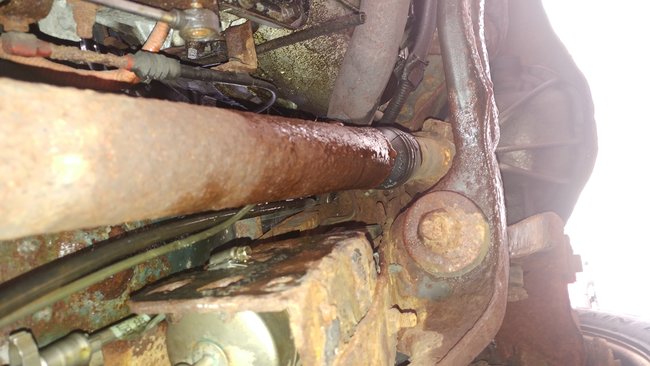
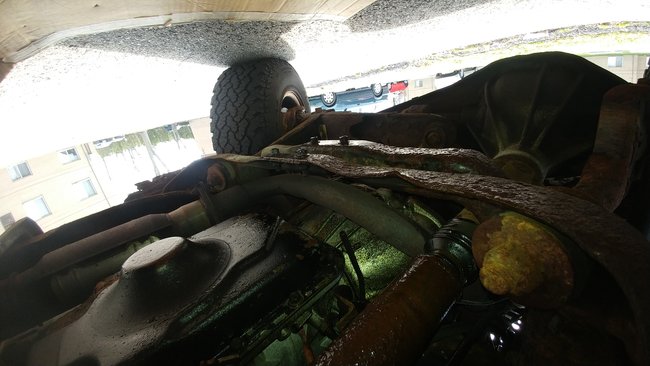
Noticed my brakes suddenly got soft, having just been fine thirty minutes prior to noticing. Brake light turned on after driving a bit. Noticed fluid was a bit low. Topped it off and drove it around back roads for a bit, pumping my brakes. Returned home and when I parked, noticed white steam coming from my under my hood, seems like from the brake master cylinder. Brake fluid was low again, hopped under the car noticed a brown/translucent fluid wad dripping. Hoping someone can help me figure out what is leaking and why?
Mar 9, 2017 at 1:22 PM
Advertisement
Avatar
CARADIODOC
  • ASE Certified Mechanic
  • 34,321 POSTS
  • ASE Certified Mechanic
Cannot tell from the photos, but the drive shaft looks wet. Look in that area for a rusted steel brake line, especially if that is looking at the rear of the rear drive shaft. There will be a rubber flex hose running from the top of the differential at the center of the axle housing, up to the body. Follow that line where it turns into a steel line. You may need to have a helper press the brake pedal to see where the fluid is coming out. Be careful to never push the brake pedal over half way to the floor. Doing so can damage a master cylinder that is over about a year old.
Mar 9, 2017 at 1:52 PM
Avatar
STEVE W.
  • ASE Certified Mechanic
  • 15,200 POSTS
  • ASE Certified Mechanic
The "steam" is the brake fluid hitting the exhaust system. It looks like the leak is right above the drive shaft.
Mar 9, 2017 at 7:28 PM
Join 2CarPros for free, one of the most advanced car repair communities on the internet. From first-time drivers to seasoned mechanics, everyone is welcome to reply, share details, and get better answers. You can add a temporary image or video first; uploads are limited to 20 MB.
Ask a Free Question
Repair Safety Notice: This information is for general instructional purposes only. Vehicle repair can be dangerous. Verify all information, follow manufacturer service procedures, use proper tools and safety equipment, and consult a qualified repair shop when needed.