There are a number of things that will cause this but we need to start with checking the basics to find out what direction to go.
First and foremost we need to start with checking the fuel pressure. Not only when you are cranking the engine and running at idle but when you turn the key on and then see how long it holds the pressure.
https://www.2carpros.com/articles/how-to-check-fuel-system-pressure-and-regulator
So, we need to do this two ways. First, see what the pressure is when it is running poorly.
Then turn the engine off and see how long that pressure holds. It should be a good while but if it bleeds quickly then I suspect we have an injector issue.
https://www.2carpros.com/articles/engine-black-smoke
Black smoke is excess fuel so we need to find out why we have high amount of fuel.
Once we know the pressure in these situation we will be able to make a better decision on what direction to go.
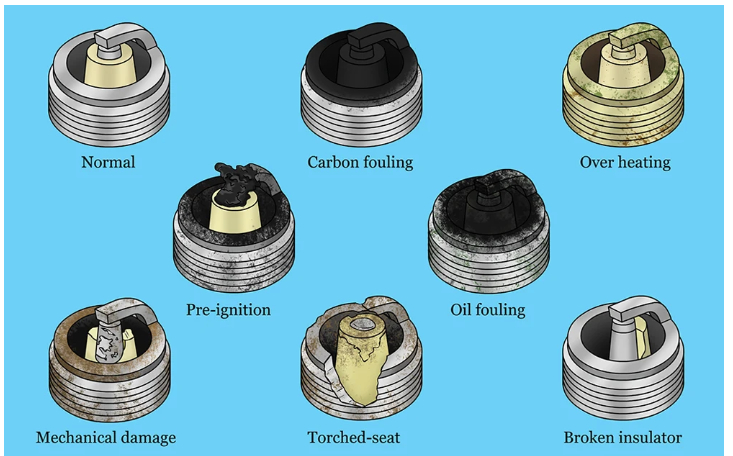
Also, it is a good idea to pull the plugs and just see what they look like to help with more info.
Below is a chart that will help to inspect the plugs.
Let me know and we can go from there. Thanks
Sep 26, 2021 at 5:18 AM