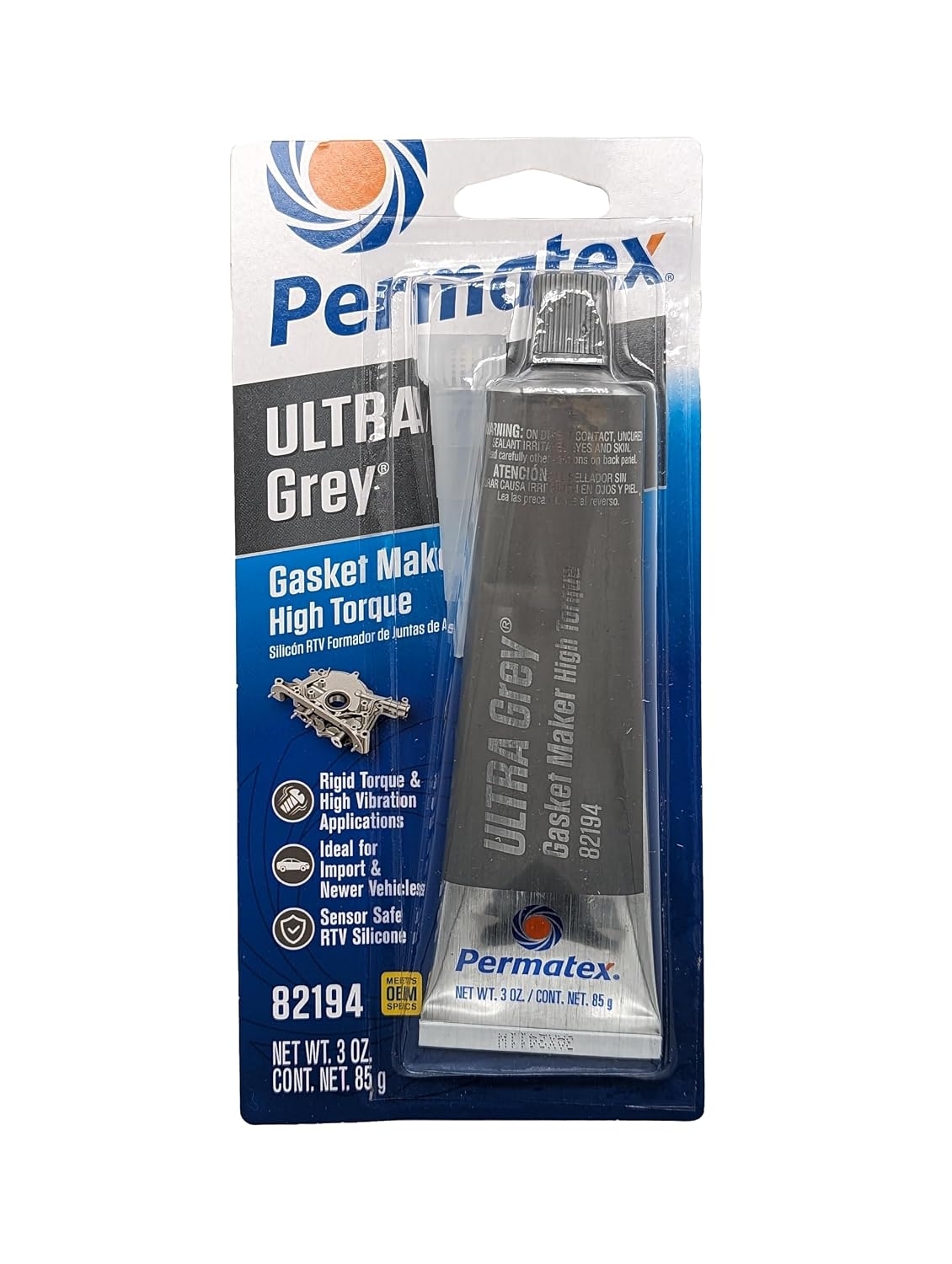
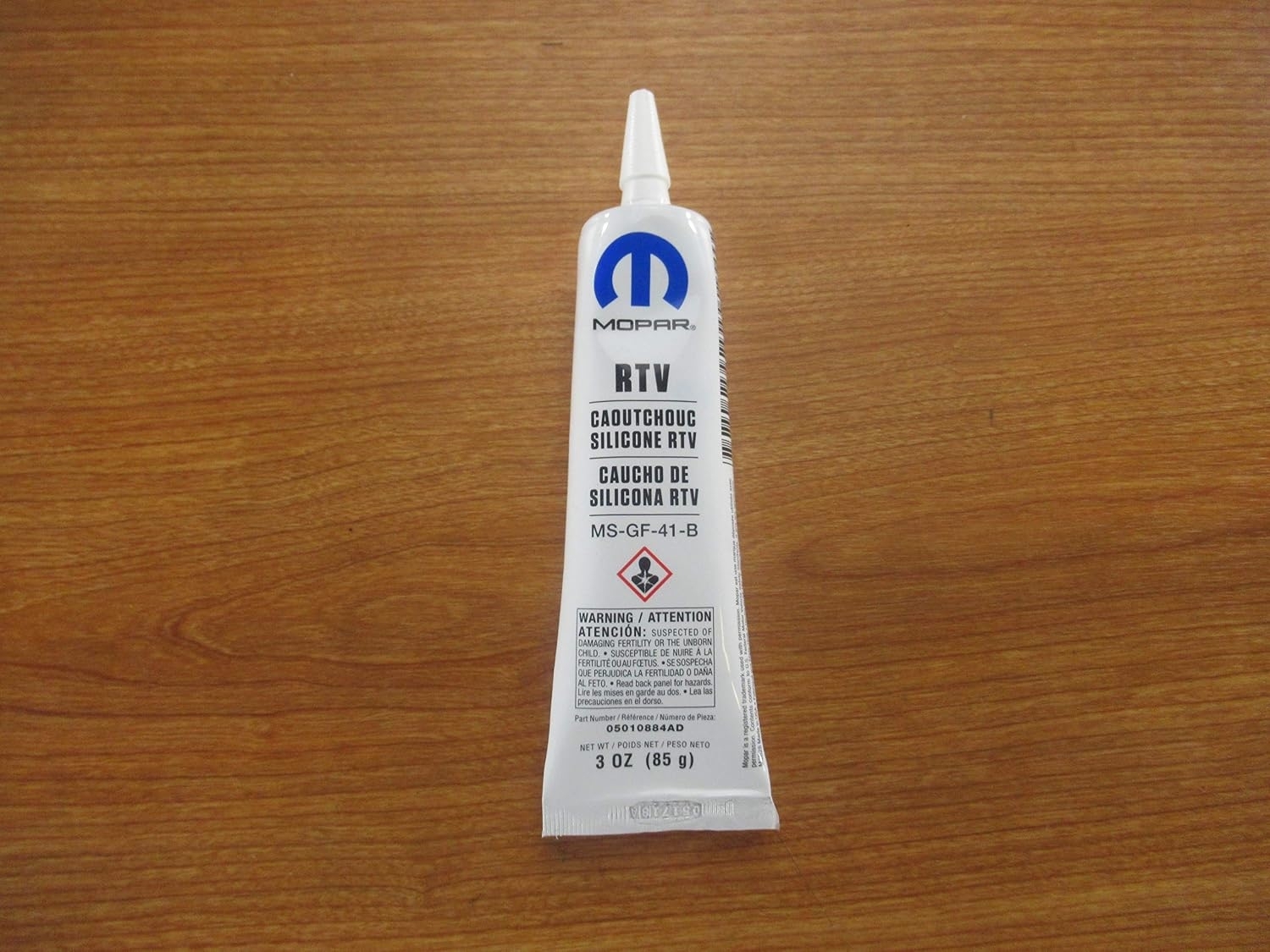
Hi guys. Let me share my experience with these products. This goes back to the days of the A604 four-speed transmissions. While working at a very nice family-owned Chrysler dealership, they had Chrysler's black and gray silicone gasket sealers, (RTV). The black stuff cures more rubbery and is easier to remove next time, but it absolutely will not bond or seal through any film of oil. The gray stuff gets harder when cured, and is harder to scrape off next time. It WILL seal through a light coating of oil residue. You can add fluids right away with either product without waiting for them to cure. I'm sure other manufacturers have similar products under their own names, but these are the two I'm familiar with and use.
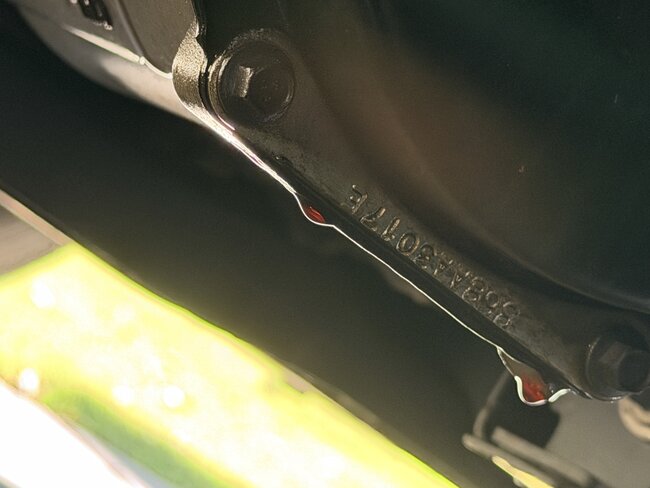
We all had our own favorite methods of sealing transmission pans on A604s. There's a passage that fluid runs out of right in the middle of the lower / rear edge of the transmission. No matter how many times you clean that off, fluid will keep running out of there for a good 24 hours. A coworker would clean the pan with Brake Parts Cleaner, then place the bead of sealer on it. He stuffed a rag in that passage, then washed the pan surface on the transmission. When ready, he had another coworker yank the rag out, giving him a few seconds to slap the pan on before fluid resumed running out.
My method was to reach a finger up into that passage, then splash around to empty the little cavity where fluid collected, then I'd wash the pan surface and dry it. By emptying that cavity, it gave me about ten seconds before fluid filled it up then started running out again. That method insured the surfaces were clean, but I still preferred to use the gray sealer.
On one occasion, I had the brilliant idea to use a rubber-tipped air nozzle to blow the fluid out of that cavity. I took a shower in transmission fluid, and it created a fog all through the shop, bad enough that a few people wandered around to see what was causing it. (I don't recommend using compressed air)!
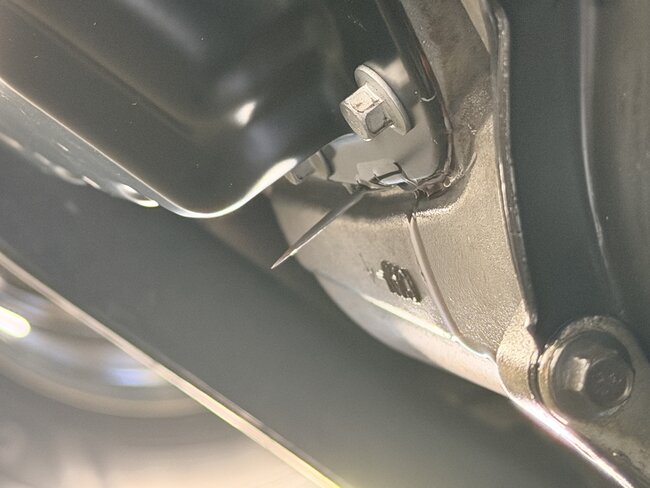
As for how tight, I ran the bolts in with a small 3/8" butterfly impact. Even with being careful, the bolts got tighter than by using a 1/4" hand ratchet and socket. On the rare occasion a bolt hole stripped out, the fix was to stick a piece of copper house wiring into the hole, then run the bolt in alongside it. Years later, I required my students to learn how to install a Heli-coil insert, but on the job, you don't have time to remove the pan, clean everything up again, install the insert, then hope a different hole doesn't strip out. The copper wire trick works great, saves a lot of time, and the wire usually stays in place the next time the pan is reinstalled.
Oct 14, 2026 at 3:32 PM