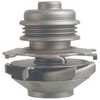
1991 Toyota Corolla Radiator overheating

1991 TOYOTA COROLLA
20,000 MILES • 4 CYL • FWD • MANUAL
Avatar
DG242424
  • MEMBER
  • 1 POST
I just noticed it going home yesterday. When I got home I added some coolant in the over flow resivoir. When I opened the radiator cap there was coolant right at the top of the neck also. Going to work this morning It overheated again. A few days back I Had a power steering belt replaced and I was going to do the AC belt also, but the AC pump was bad so that belt was removed. Would this be a cause?
May 21, 2009 at 7:55 AM
Advertisement
Avatar
2CARPRO JACK
  • ASE Certified Mechanic
  • 11,533 POSTS
  • ASE Certified Mechanic
Does it overheat while driving or sitting still? Is it still losing coolant? Removing the belt is ok, as long as it isnt the one driving the water pump
May 21, 2009 at 8:17 AM
Avatar
MMPRINCE4000
  • ASE Certified Mechanic
  • 8,548 POSTS
  • ASE Certified Mechanic
First check cooling fan, do this by disconnecting fan switch connector (white connector directly under dist. on coolant housing assy. bolted to head). Turn ign "on" cooling fan should run all the time, if it does replace fan switch, if not check fan motor by disconnecting from harness, apply 12V from battery to fan motor wire (NOT HARNESS). If fan works, then replace "engine main" relay in large fuse/relay box in engine compartment.

If fan and switch check out check thermostat by getting engine to operating temp. Feel lower hose that goes into same housing that fan switch is located, if hose is cool then thermostat is bad, or waterpump.

Other possibilities are a clogged radiator.
May 21, 2009 at 8:22 AM
Join 2CarPros for free, one of the most advanced car repair communities on the internet. From first-time drivers to seasoned mechanics, everyone is welcome to reply, share details, and get better answers. You can add a temporary image or video first; uploads are limited to 20 MB.
Ask a Free Question
Repair Safety Notice: This information is for general instructional purposes only. Vehicle repair can be dangerous. Verify all information, follow manufacturer service procedures, use proper tools and safety equipment, and consult a qualified repair shop when needed.