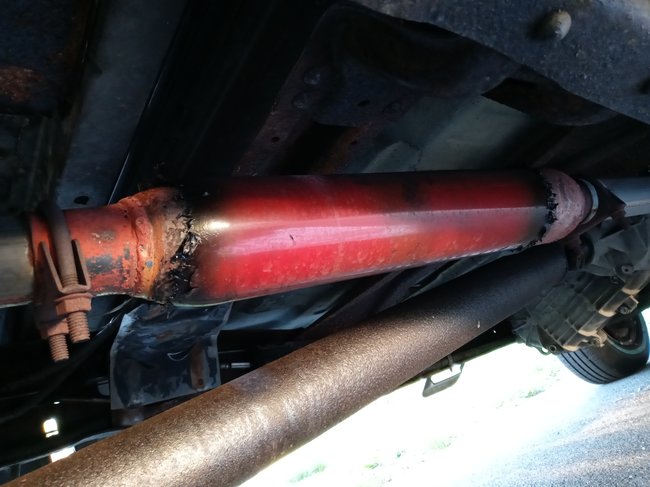
Red hot exhaust

1996 FORD F-150
150,000 MILES • 4.9L • 6 CYL • 4WD • MANUAL
Avatar
WHITESHIRTSAMMY
  • MEMBER
  • 60 POSTS
I rebuilt the 300i 4.9l straight-six in my truck listed above. It has a new crankshaft, new camshaft, all around new bearings, and new cylinder head. Initially, when I was revving the engine to break-in the camshaft, after 10 minutes, the exhaust manifold attached to the cylinder head got red hot. It melted my vacuum lines. I repaired all the damage but if I have the engine on for more then 10 minutes it continue to happen. What could be the problem?
Jun 14, 2021 at 4:58 AM
Advertisement
Avatar
JACOBANDNICKOLAS
  • CERTIFIED EXPERT
  • 110,175 POSTS
Hi,

If the exhaust manifold is getting red hot, either you have a restriction (possible catalytic converter) or excessive fuel is entering the combustion chamber.

Have you checked fuel pressure to make sure it isn't too high? Here is a link showing how:

https://www.2carpros.com/articles/how-to-check-fuel-system-pressure-and-regulator

Also, when it's running and the manifold is red hot, check the catalytic converter too. See if it is red hot.

Take a look through this link as well:

https://www.2carpros.com/articles/bad-catalytic-converter-symptoms

Let me know.

Joe
Jun 14, 2021 at 9:11 PM
Avatar
WHITESHIRTSAMMY
  • MEMBER
  • 60 POSTS
When I turn on the truck, I get regular steam output out the muffler. Also, I had a fuel pressure gauge attached to the fuel rail and was getting the require 50 PSI for when the vehicle was running. I forgot to take it off before the exhaust overheat and now damaged.

I forgot to mention that I have a P1507 code displayed.

I can double check the catalytic converter when I get home today and report back.
Jun 15, 2021 at 6:19 AM
Advertisement
Avatar
WHITESHIRTSAMMY
  • MEMBER
  • 60 POSTS
I was doing a visual inspection and found that the overheat was reaching the cheap muffler I installed. This is beyond the two catalytic converters. Where do I look to solve this problem?
Jun 15, 2021 at 6:40 PM
Avatar
JACOBANDNICKOLAS
  • CERTIFIED EXPERT
  • 110,175 POSTS
Wow, that is a concern. Let's start with a few basics. Recheck engine timing to make sure it isn't off. Also, if you have a live data scan tool, let me know what the short-term fuel trims are. If the timing is correct, either it is running extremely lean or rich. One other thought. If you remove the oxygen sensor before the converter, does the problem change?

Let me know.

Joe

Jun 15, 2021 at 10:03 PM
Avatar
WHITESHIRTSAMMY
  • MEMBER
  • 60 POSTS
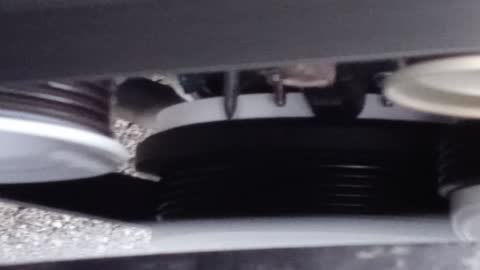
This is the timing...
Jun 16, 2021 at 5:19 PM
Avatar
WHITESHIRTSAMMY
  • MEMBER
  • 60 POSTS
The fuel trim with engine off: STFT B1 0%, STFT B2 0%, STFT B1S1 0%, STFT B1S2 99.2%, STFT B2S1 0%. When I turn on the engine, they all start at 18% and slowly lower until they are in the negative and the engine stalls but STFTB1S2 stays at 99.2%.
Jun 16, 2021 at 5:56 PM
Avatar
JACOBANDNICKOLAS
  • CERTIFIED EXPERT
  • 110,175 POSTS
Hi,

THe B1S2 @ 99% is normal. That is the sensor after the converter. The 0% are perfect. When it goes negative, that tells me the computer is trying to lean the fuel mixture. How far into the negatives does it go?

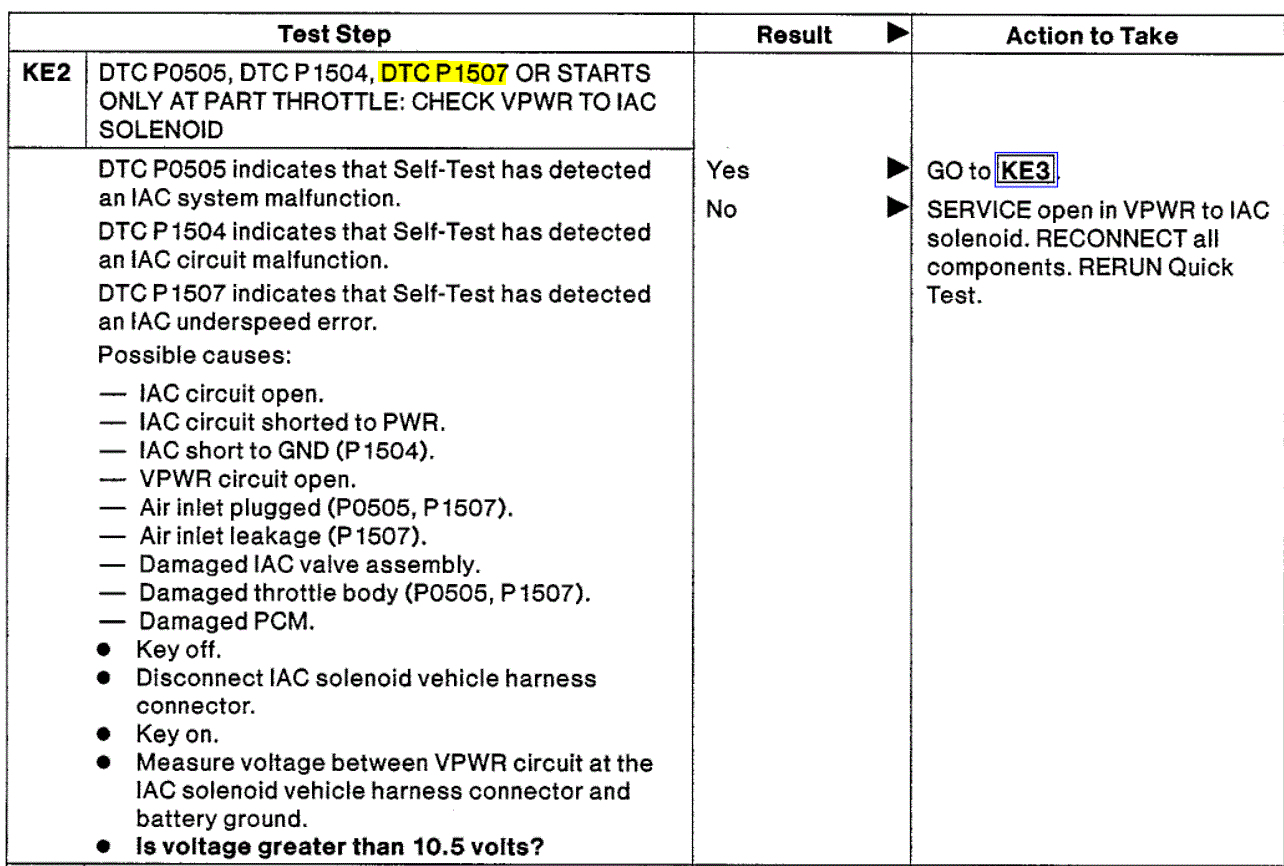
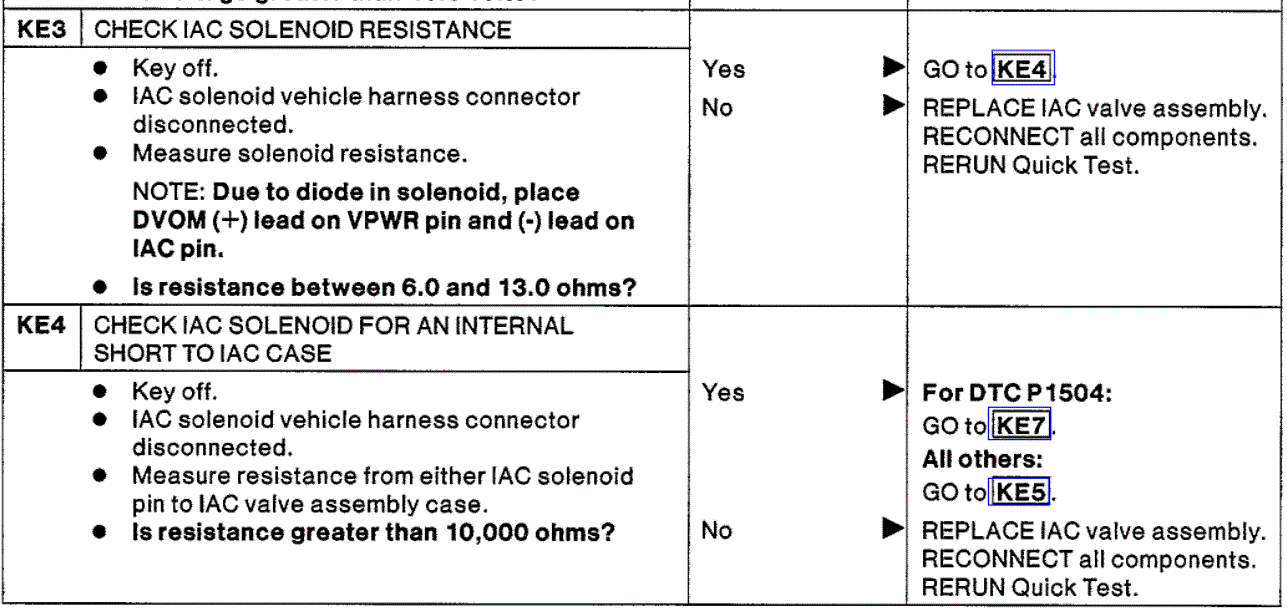
Are there any misfires? Have you checked the timing? Also, it could be dumping fuel. The code you gave me, P1507, is related to the idle air control valve. It could be choking the engine not allowing enough air which in turn would cause a rich fuel mixture.

I attached the diagnostics below specific to the code. Take a look through them and let me know if you are comfortable doing them

Let me know if that helps. In my mind, if the converter is good and fuel pressure us good, something is causing it to dump fuel or the timing is retarded.

Take care and let me know the results.

Joe

See pics below.
Jun 16, 2021 at 7:38 PM
Avatar
WHITESHIRTSAMMY
  • MEMBER
  • 60 POSTS
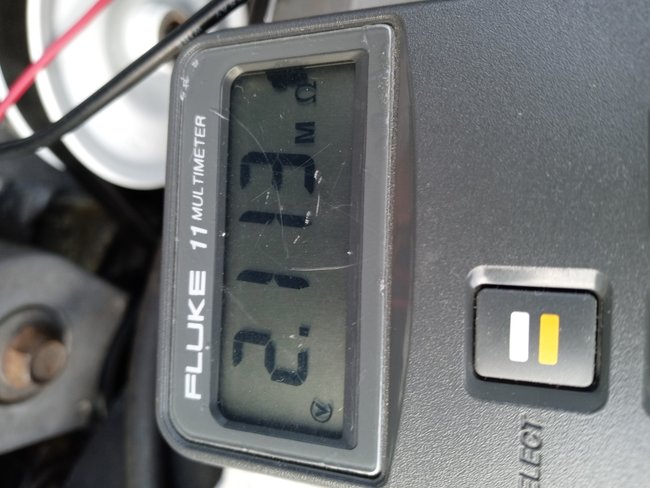
The voltage is 12.3v and the resistance is 2.11m ohm.
Jun 18, 2021 at 4:09 PM
Avatar
JACOBANDNICKOLAS
  • CERTIFIED EXPERT
  • 110,175 POSTS
Hi,

If you are getting 2.11 m ohms, the IAC is bad. The flow chart indicated it should be between 6 and 13 ohms. Have you tried replacing it?

Here is a link that shows how it's done in general. You can use this as a guide.

https://www.2carpros.com/articles/how-to-replace-an-idle-speed-control-motor-iac

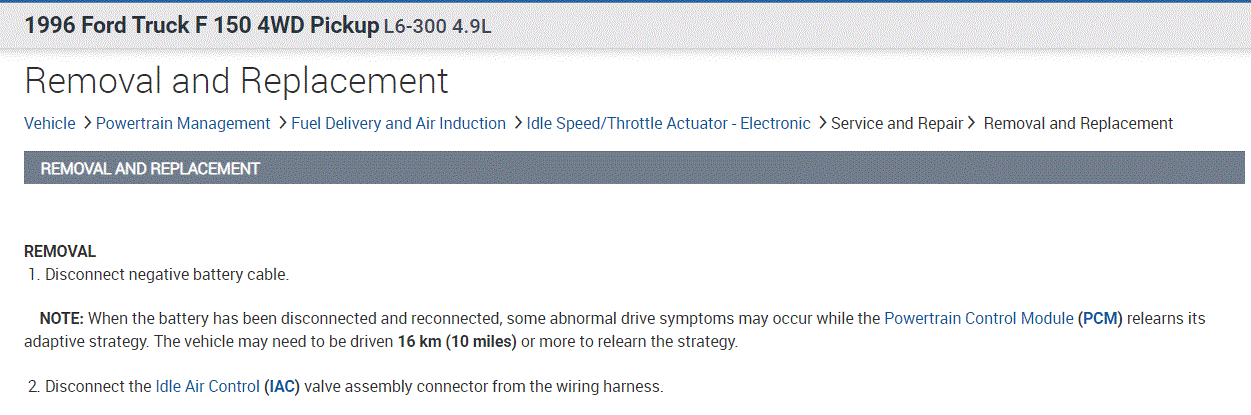
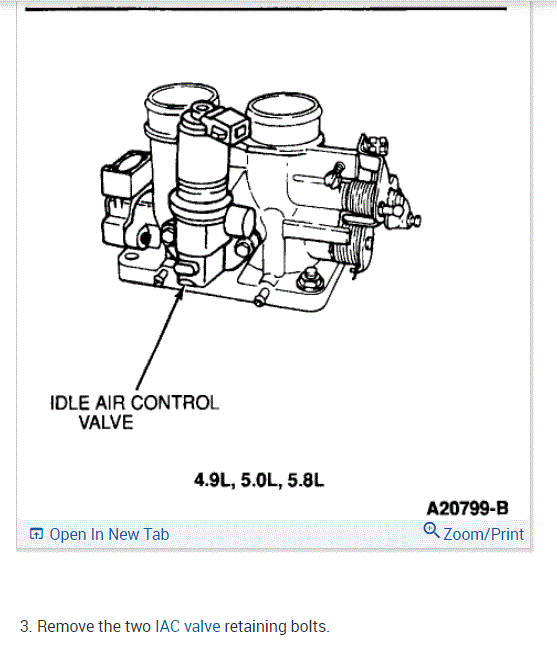
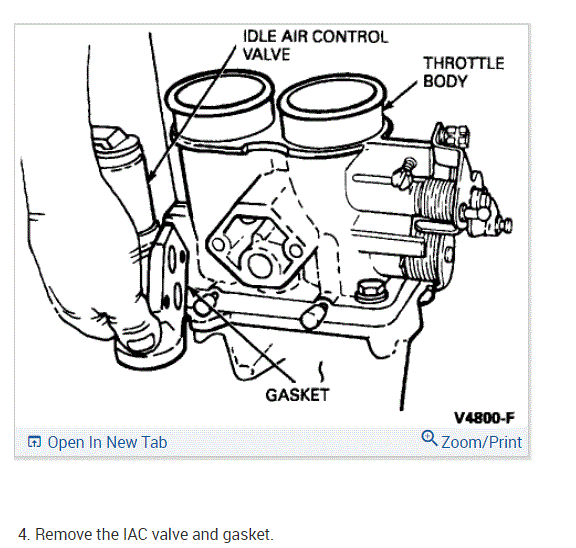
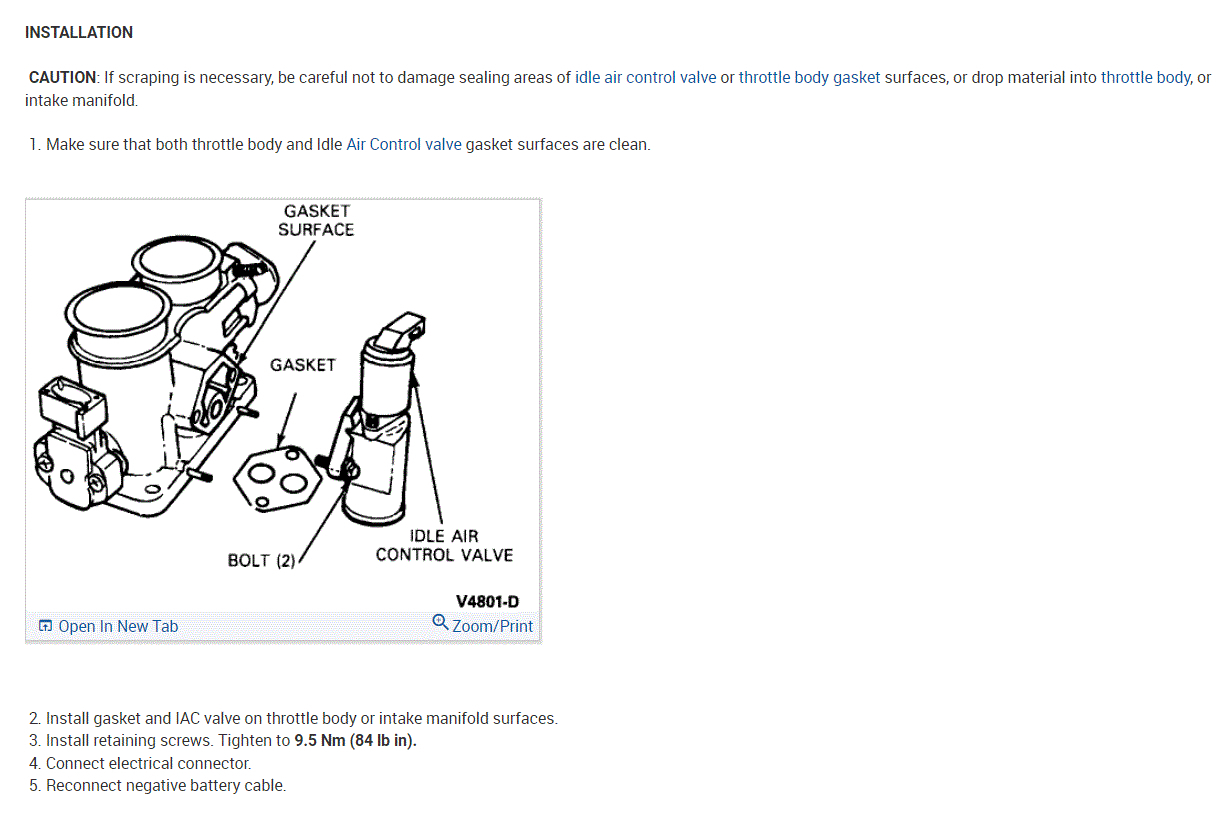
The directions specific to your vehicle are attached below.

Let me know.

Joe
Jun 18, 2021 at 6:44 PM
Avatar
WHITESHIRTSAMMY
  • MEMBER
  • 60 POSTS
I think I misread something. I need to double-check my work.
Jun 18, 2021 at 6:56 PM
Avatar
JACOBANDNICKOLAS
  • CERTIFIED EXPERT
  • 110,175 POSTS
Hi,

No problem. Let me know when you recheck. Also, let me know if I can help.

Take care,

Joe
Jun 18, 2021 at 8:57 PM
Avatar
WHITESHIRTSAMMY
  • MEMBER
  • 60 POSTS
Okay, the IAC has 9.4 ohms across the pins. I was doing it wrong. What is next to check?
Jun 19, 2021 at 8:21 AM
Avatar
JACOBANDNICKOLAS
  • CERTIFIED EXPERT
  • 110,175 POSTS
Hi,

That sounds a lot better. What I would do next is remove it and inspect where it mounts on the throttle body. It isn't uncommon for carbon and dirt to build up and restrict airflow. Keep in mind that I am basing this on the code you provided.

Take a look through this link and let me know if it helps:

https://www.2carpros.com/articles/idle-air-control-valve-service

Joe
Jun 19, 2021 at 8:16 PM
Avatar
WHITESHIRTSAMMY
  • MEMBER
  • 60 POSTS
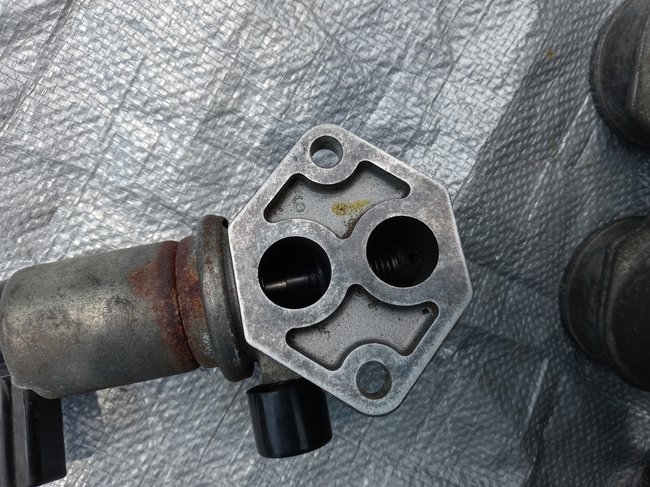
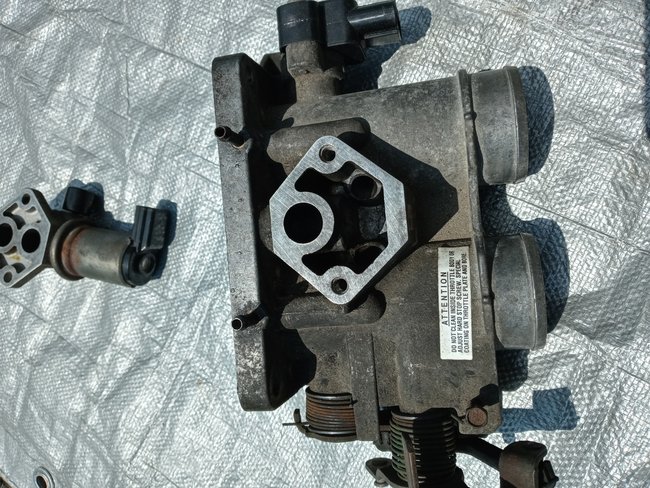
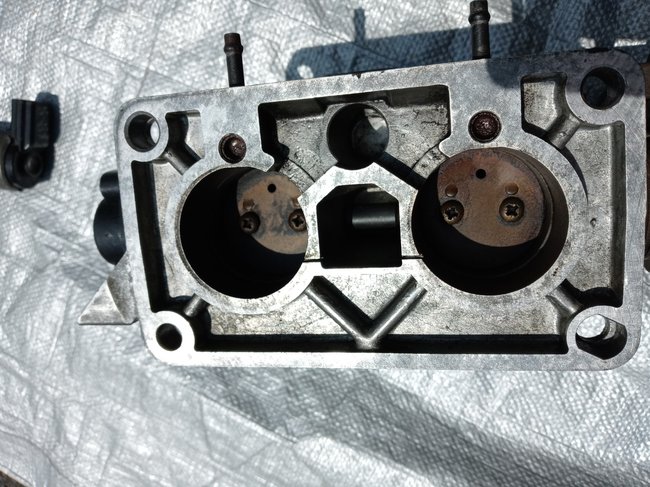
Okay, this is where am at: I removed the IAC and the throttle body and found no noticeable accumulation of carbon deposit. Blew air through all the orifices and did not find any obstructions. Put it all back together. Disconnected the air filter. Turned the vehicle on, turns right on, no problem. The STFT starts at 36% but in less than a minute, they lower to the single digits but not zero or negative. It idles really rough. The check engine light has not turned back on.
Jun 20, 2021 at 6:36 PM
Avatar
JACOBANDNICKOLAS
  • CERTIFIED EXPERT
  • 110,175 POSTS
Has the check engine light turned off (is the code gone for the IAC)?

I rewatched your video of the timing. In the video, I don't see the marks. Also, I'm hearing a strange noise (not a knocking) but something that sounds like it's hitting?

It's a video so I may be totally wrong. But, have you noticed it?

The fuel trims (in a perfect world) you want at 0. Up to 10% positive or neg are normal. The cold start +38% isn't out of the ordinary. So, I'm to the point that I'm thinking it isn't a fuel-related issue.

I think we need to start over. We are missing something.

Are there engine vacuum leaks? Any possibility of internal timing issues when it was put together? Any chance of the exhaust being plugged?

Let me know.

Joe

Jun 20, 2021 at 8:06 PM
Avatar
WHITESHIRTSAMMY
  • MEMBER
  • 60 POSTS
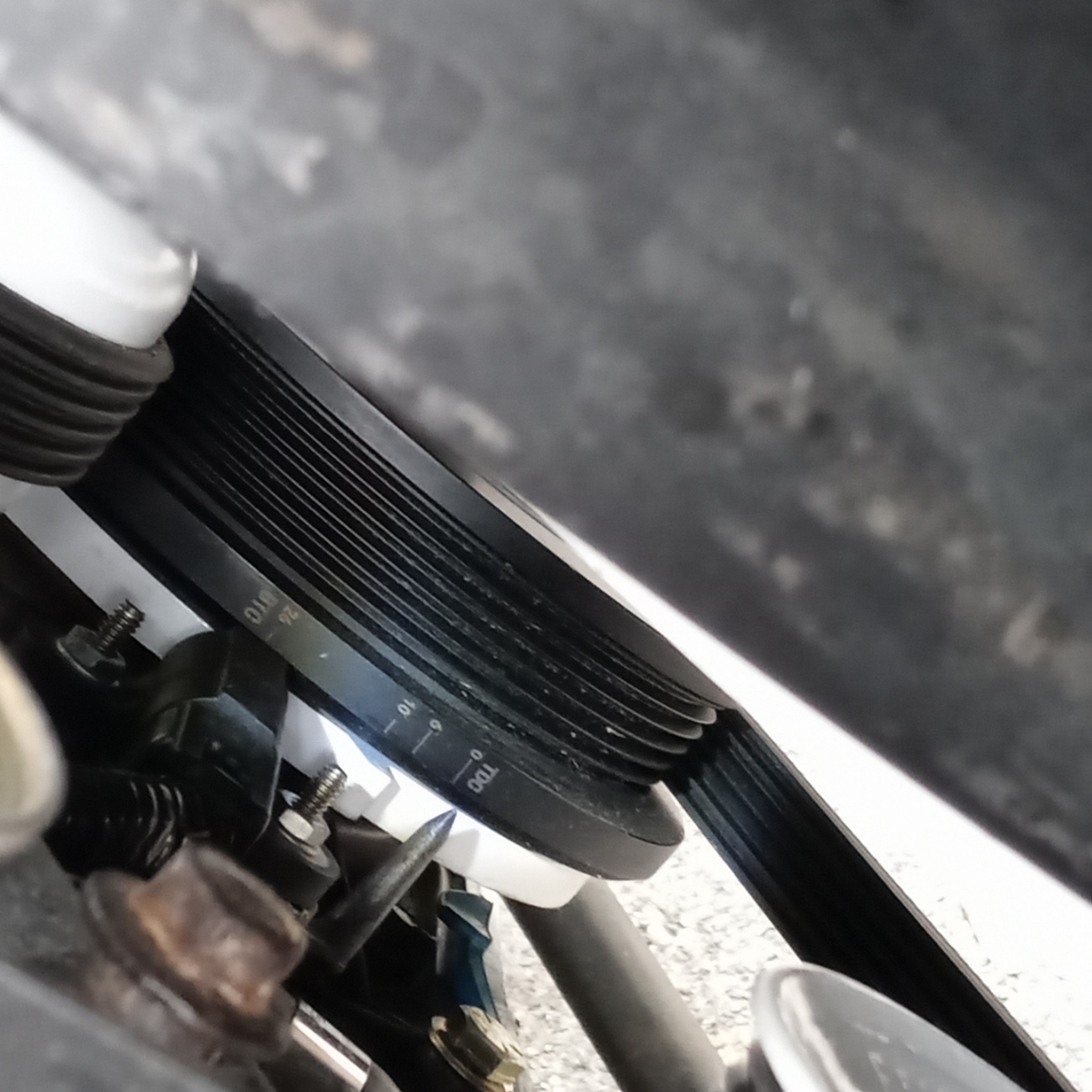
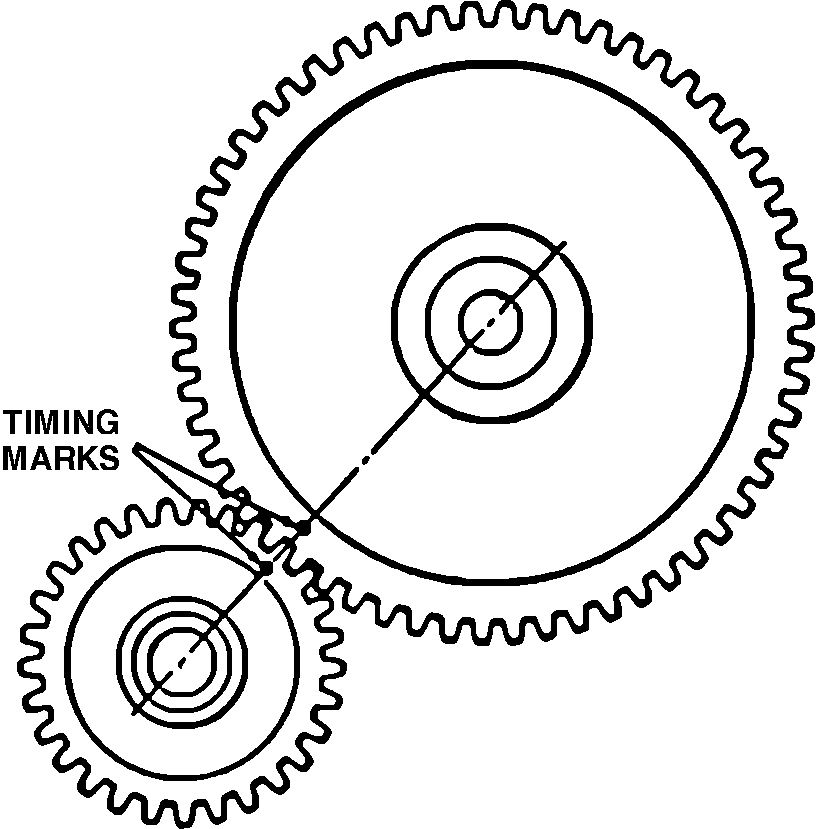
This is my first time rebuilding an engine myself. Even though I got the timing marks, on the gears, aligned and it makes a straight line between the two shafts, I am still not confident on the timing, in general. Particularly with the lettering being upside down on the crankshaft pulley when you hit it with the timing light. I sent you a still picture, of the timing marks with the video so you get a reference to where the timing was hitting, on the pulley, because it was hard to see the lettering on the video. The pointer from the crankshaft sensor bracket is landing on the 10-12% BTDC. To my understanding, this is where it is supposed to be.

There is a clicking sound coming from the engine. I do not know where it is coming from.

I erased the error codes before I reassembled everything back together. I have not given the engine enough time to display any code. I only ran the engine for a minute or two.

I can double check the vacuum line. I have had to replace them everytime I run the engine for more than 5 mins. Because of the heat.

Let me work on checking the exhaust manifold for blockage.

The primary purpose of this project was to learn engine rebuilding. I just wish I had chosen a smaller engine to work with. I do not mind starting over but at some point I need to make a Lowe’s trip. The secondary purpose for the truck.
Jun 21, 2021 at 5:29 AM

Avatar
JACOBANDNICKOLAS
  • CERTIFIED EXPERT
  • 110,175 POSTS
Hi,

The timing you mentioned is correct. However, that is where the distributor is set. That can be adjusted. The timing chain, if not perfect, can't be adjusted externally.

Take a look at the pic below. Is that how you had the timing marks aligned?

Let me know. Also, I listened again to the video of the engine running. Do you have good oil pressure? Is the sound coming from the top end? Did you do anything as far as the valve lifters?

I'm glad you decided to rebuild this engine. The problems are how you learn. My biggest concern is something catching fire due to how hot the exhaust is getting. When you have it running, do you feel a misfire? I'm wondering if there is a stuck fuel injector dumping fuel.

Let me know.

Joe

Jun 21, 2021 at 9:41 PM
Avatar
WHITESHIRTSAMMY
  • MEMBER
  • 60 POSTS
-The timing illustrated in the picture is exactly how I set my timing.

-I do have engine oil pressure.

-I believe the tapping sound may be coming from the power steering pump but am not confident.

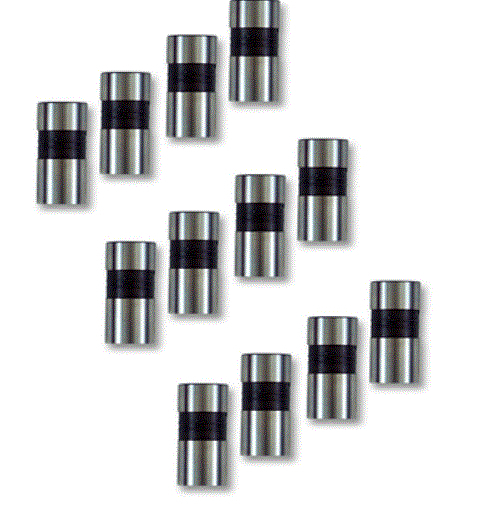
-The cylinder head is a reman from AutoZone. Other than transferring the lifters to the new cylinder head and torquing them, I did not do anything else to it.

-For the first 1-2 minutes I start the engine, it runs perfectly then the RPMs go down. It does not feel like misfiring. I took off the fuel pressure regulator vacuum line and glued the ends to make sure it was not leaking (I rebuilt the vacuum line because it got melted) and reinstalled the line. I got better results with the RPMs, but it still lowers below 500 RPMs. Let us concentrate on the fuel system.

-Do you have access to info on the temp range for the exhaust manifold?

I must purchase a new fuel pressure gauge so as to install and monitor the pressure while it is running. I will make a video of it and report back.
Jun 23, 2021 at 7:08 PM
Avatar
JACOBANDNICKOLAS
  • CERTIFIED EXPERT
  • 110,175 POSTS
Hi,

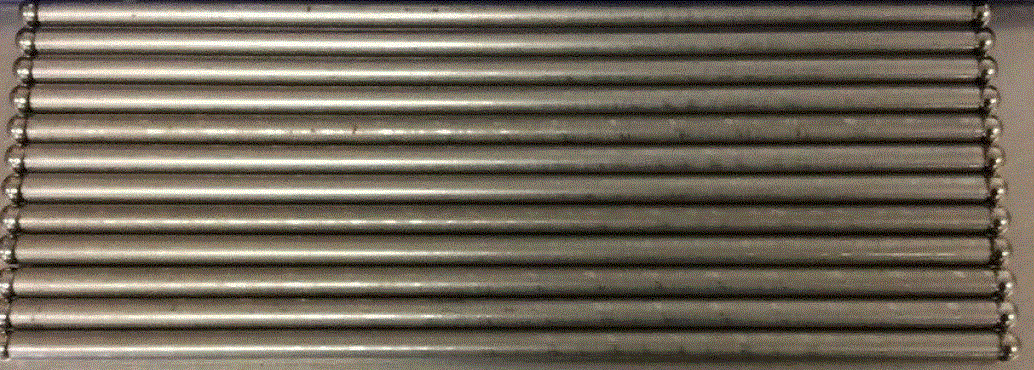
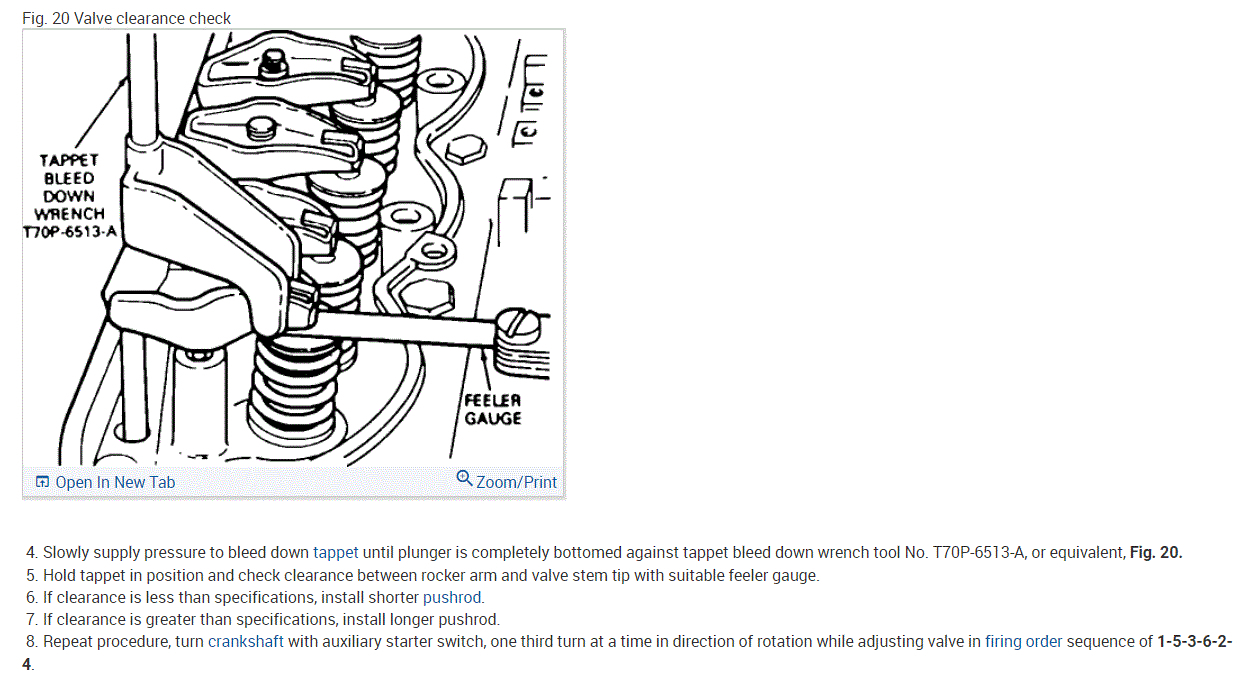
You have lifters and pushrods. Neither are in the head. When you adjusted the valve lash, how was it done? We may have hit on something here. If they are too tight, once the engine warms up and expands, the valves may be staying open too long or not full seating. There could be unburned fuel getting into the cylinders on an exhaust stroke. Did you check valve lash?

If you didn't, that needs to be done. Also, if you used the original pushrods, they needed to be reinstalled in the same location as they were removed from as well as the lifters. Adjustment is done by using shorter and longer pushrods.

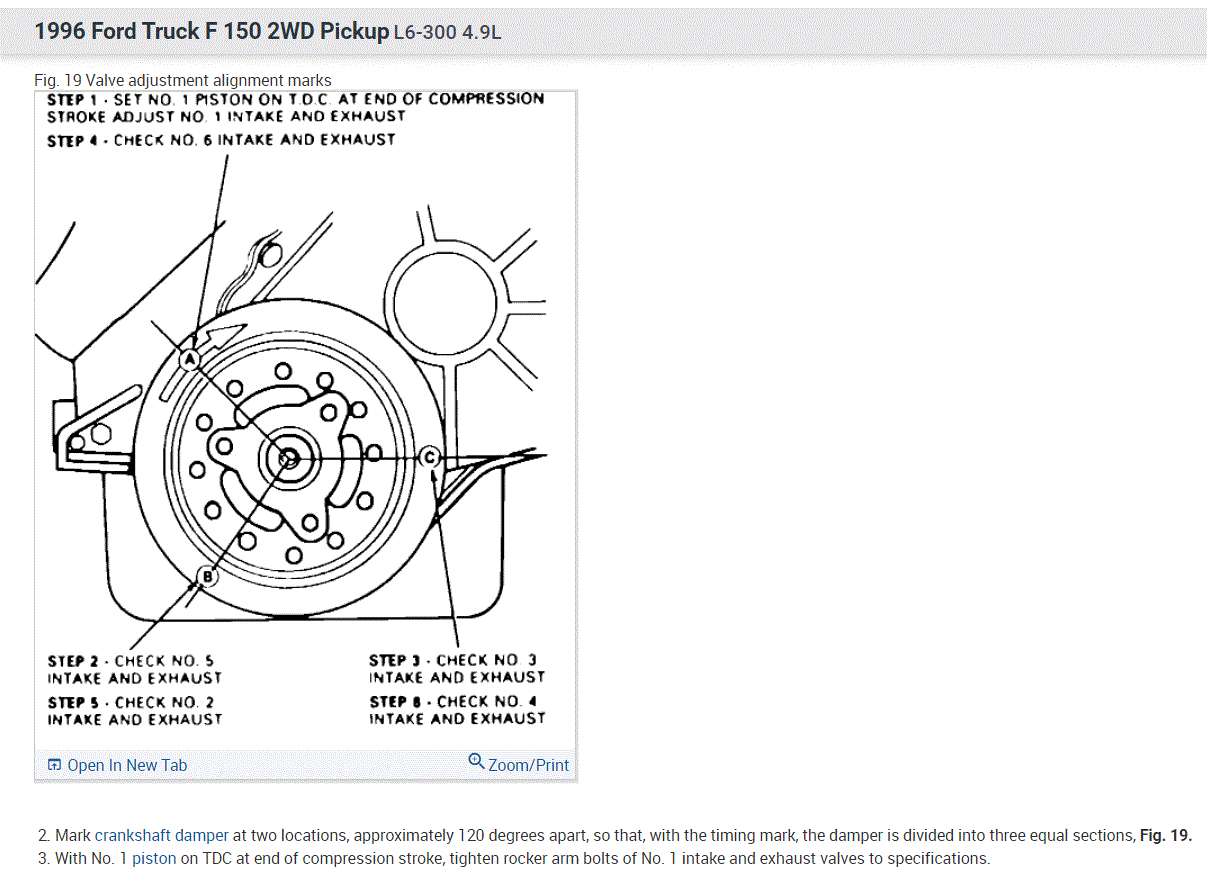
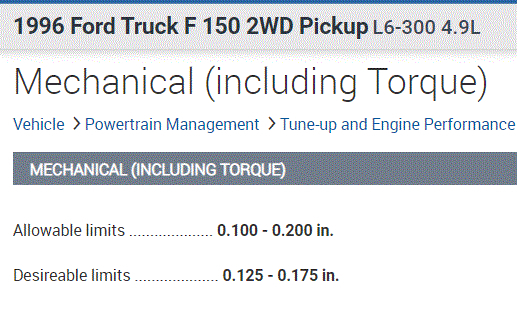
Starting with pic 3 below are the directions for valve adjustment. You may have already done this or this may be the problem. Finally, I think I know what is happening. I suspect you have pushrods that are too long. They are causing the valves to hang open slightly. and fuel is getting into the cylinder on an exhaust stroke. It's a theory at this time, but I have a feeling this is the issue.

Let me know if you already did this.

Joe

See pics below.
Jun 23, 2021 at 9:34 PM
Avatar
WHITESHIRTSAMMY
  • MEMBER
  • 60 POSTS
I saw the valve adjustment in the repair manual but since I was working on my driveway ( I don't have a garage) I was anxious to put it back together. I ordered all standard parts and assume they would fit correctly the first time.

I skipped the valve adjustment part.

Sorry, I confused the rocker arm with the lifter. All I did to the cylinder head was transfer over the rocker arm and torque them to spec.
Jun 24, 2021 at 6:20 PM
Avatar
JACOBANDNICKOLAS
  • CERTIFIED EXPERT
  • 110,175 POSTS
Hi,

I can't guarantee it, but I think we found the problem. Inspect them for clearance and let me know what you find. I'm really interested in knowing. I have a feeling this is the cause. Also, that could be the noise we hear when it's running.

Take care,

Joe
Jun 24, 2021 at 8:21 PM
Avatar
WHITESHIRTSAMMY
  • MEMBER
  • 60 POSTS
Hello, I am back on this. I took the head off to inspect for valve damage since I overheated the engine exhaust, a few times. I don't see any damage but I don't have a trained eye. How can I verify that all the valves are seating correctly?
Sep 5, 2021 at 2:46 PM
Avatar
JACOBANDNICKOLAS
  • CERTIFIED EXPERT
  • 110,175 POSTS
Hi,

Since the engine didn't overheat, it should be fine. Take a bright flashlight and shine it on each valve in the head. See if there is any light going through. You will see it if there is an issue. You will be able to see it in the inlet/exhaust ports on the head.


Let me know what you find.

Joe
Sep 5, 2021 at 6:42 PM
Avatar
WHITESHIRTSAMMY
  • MEMBER
  • 60 POSTS
Checked all the valves via exhaust/intake, no light passes. But if the air is not escaping through the valve where then.

What can i check?
Sep 6, 2021 at 3:45 PM
Avatar
JACOBANDNICKOLAS
  • CERTIFIED EXPERT
  • 110,175 POSTS
Did you adjust the valves before removing the head?
Sep 6, 2021 at 7:03 PM
Avatar
WHITESHIRTSAMMY
  • MEMBER
  • 60 POSTS
No. I was unable to build compression on the #1 cylinder, which is one of the steps needed, even after disengaging the push rod for the #1 cylinder and the compression gauge installed. This is what lead me to believe that I damaged the valves when the exhaust overheated causing them not closing all the way. When I was turning the crankshaft, I was able to clearly hear the air escaping from the #1 cylinder.


Sep 7, 2021 at 7:03 AM
Avatar
JACOBANDNICKOLAS
  • CERTIFIED EXPERT
  • 110,175 POSTS
Were you getting any compression from number 1? If you were getting nothing, it does sound like a valve was stuck open.

Let me know.
Joe
Sep 7, 2021 at 6:54 PM
Avatar
WHITESHIRTSAMMY
  • MEMBER
  • 60 POSTS
Now that I have know I did not damage the head or the valves, I am going to get me a new head gasket, put it back together and see what I get.

I will report back in a few weeks.
Sep 8, 2021 at 5:44 AM
Avatar
JACOBANDNICKOLAS
  • CERTIFIED EXPERT
  • 110,175 POSTS
Were you getting any compression from cylinder 1 before taking it apart? Also, make sure to adjust the valve lash before trying to start it.

Let me know how things turn out. I'm interested in knowing.

Take care,

Joe
Sep 8, 2021 at 7:41 PM
Avatar
WHITESHIRTSAMMY
  • MEMBER
  • 60 POSTS
Okay, so, I got a new head gasket, reinstalled the cylinder head, and torqued it down. I am still having the same problem. I cannot build pressure in the #1 cylinder. Initially, I thought it was leaking thru the gauge, so I took it out and installed the spark plug; still, same.

It must be leaking through the valve.
Oct 28, 2021 at 6:02 PM
Avatar
JACOBANDNICKOLAS
  • CERTIFIED EXPERT
  • 110,175 POSTS
Hi,

Are you getting any compression from cylinder one?

Let me know.

Joe
Oct 28, 2021 at 7:56 PM
Avatar
WHITESHIRTSAMMY
  • MEMBER
  • 60 POSTS
My apologies. I am not using the correct terminology.

I am not getting compression on the number one cylinder after reinstalling the cylinder head with a new head gasket and spark plug fully installed. When I manually turn the crankshaft, I hear air escaping from somewhere.

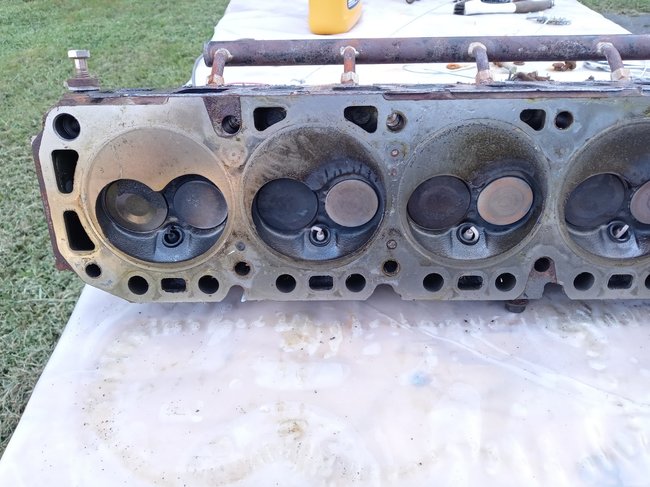
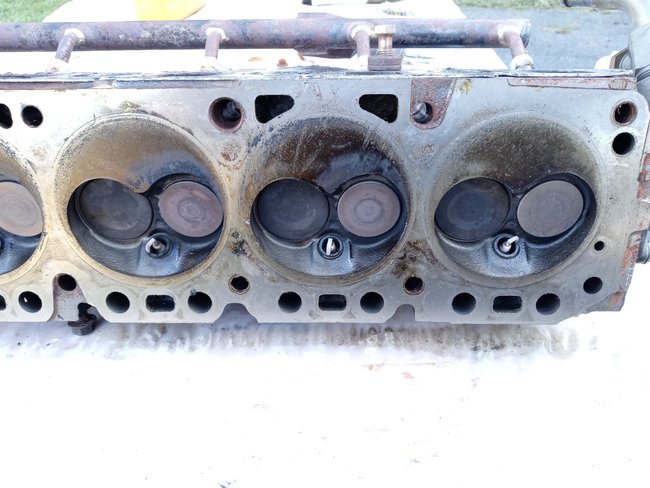
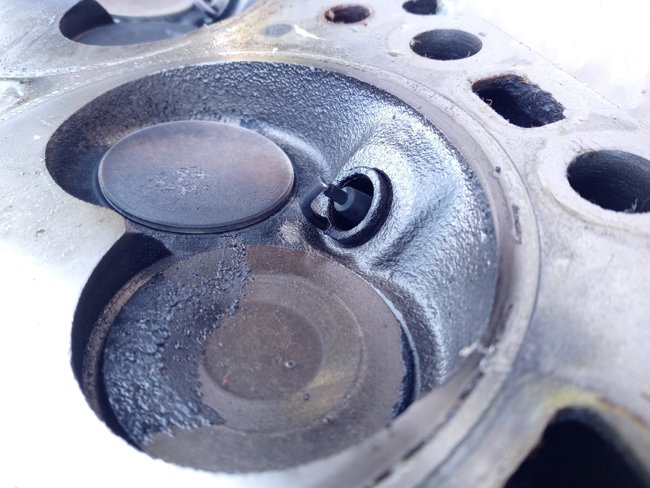
That last picture is of the number one cylinder before I reinstalled the cylinder head.
Nov 1, 2021 at 6:55 PM
Avatar
JACOBANDNICKOLAS
  • CERTIFIED EXPERT
  • 110,175 POSTS
Okay, if you hear air escaping, try this. Either it will be going through the intake, exhaust, or if the rings are bad enough, through the crankcase which is unlikely.

Remove the inlet air tube between the throttle body and air filter box. See if you can hear it there. If nothing, then remove the oil fill cap to see if it sounds like it is coming from there. If not, then the exhaust is left.

Is there any compression being produced by cylinder 1?

https://www.2carpros.com/articles/how-to-test-engine-compression

Let me know

Joe
Nov 1, 2021 at 9:50 PM
Avatar
WHITESHIRTSAMMY
  • MEMBER
  • 60 POSTS
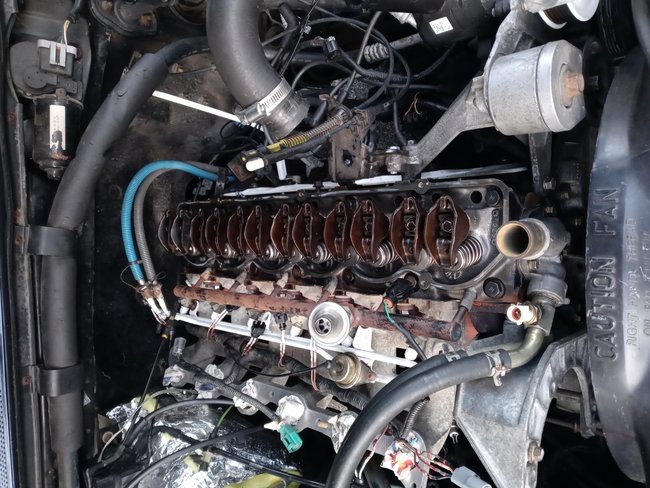
This is how the engine sits right now in my driveway.
Nov 3, 2021 at 2:37 PM
Avatar
JACOBANDNICKOLAS
  • CERTIFIED EXPERT
  • 110,175 POSTS
Hi,

It looks new. Does the cylinder create any compression? If you test it by placing about a tablespoon of oil in it, does the compression increase?

It's hard to tell looking at a pic, but are any of the valves even open in the pic?

Joe
Nov 3, 2021 at 5:14 PM
Avatar
WHITESHIRTSAMMY
  • MEMBER
  • 60 POSTS
None of the pushrods are installed. All the valves are in the closed position.

I will try the tablespoon of oil and report back.
Nov 3, 2021 at 5:22 PM
Avatar
JACOBANDNICKOLAS
  • CERTIFIED EXPERT
  • 110,175 POSTS
Hi,

If that makes a difference, it indicates an issue with the rings. Let me know what the compression is both before testing dry and after testing it wet.

Joe
Nov 3, 2021 at 5:32 PM
Avatar
WHITESHIRTSAMMY
  • MEMBER
  • 60 POSTS
Okay, I pour some engine oil into the #1 cylinder, no change. I can still hear air escaping and do not build compression.
Nov 15, 2021 at 1:49 PM
Avatar
JACOBANDNICKOLAS
  • CERTIFIED EXPERT
  • 110,175 POSTS
Is it truly no compression? I ask because if the piston is moving, there should be some. The only thing that would cause 0 compression would be open valves or extreme clearance between the piston rings and the cylinder (or a piston that isn't moving). Even bad rings create some compression.

If I recall, you did this with the rocker arms off, correct? If so, by any chance do you have an automotive stethoscope? If you do, see if you can determine where the noise (air escaping) is loudest. For example, near the exhaust manifold or intake manifold vs the oil fill. I need to know what that sound is coming from.

Let me know if it is 0. That is going to direct me best.

Joe

Nov 15, 2021 at 5:55 PM
Avatar
WHITESHIRTSAMMY
  • MEMBER
  • 60 POSTS
After I messaged you, I had a bright idea to turn the compression gauge upside down so I can see it from underneath the vehicle. As I am manually turning the crank, I can get about 20PSI on the gauge. It quickly goes away if I stop turning.
Nov 17, 2021 at 4:25 PM