ODB2 Code P1705

1999 SUBARU OUTBACK
58,000 MILES • 2.5L • 6 CYL • 4WD • AUTOMATIC
Avatar
STEVE METZ
  • MEMBER
  • 2 POSTS
Seem to not shift into fourth gear Fluid levels all okay. Automatic temperature light on.
Feb 8, 2018 at 6:54 PM
Advertisement
Avatar
JACOBANDNICKOLAS
  • ASE Certified Mechanic
  • 110,193 POSTS
  • ASE Certified Mechanic
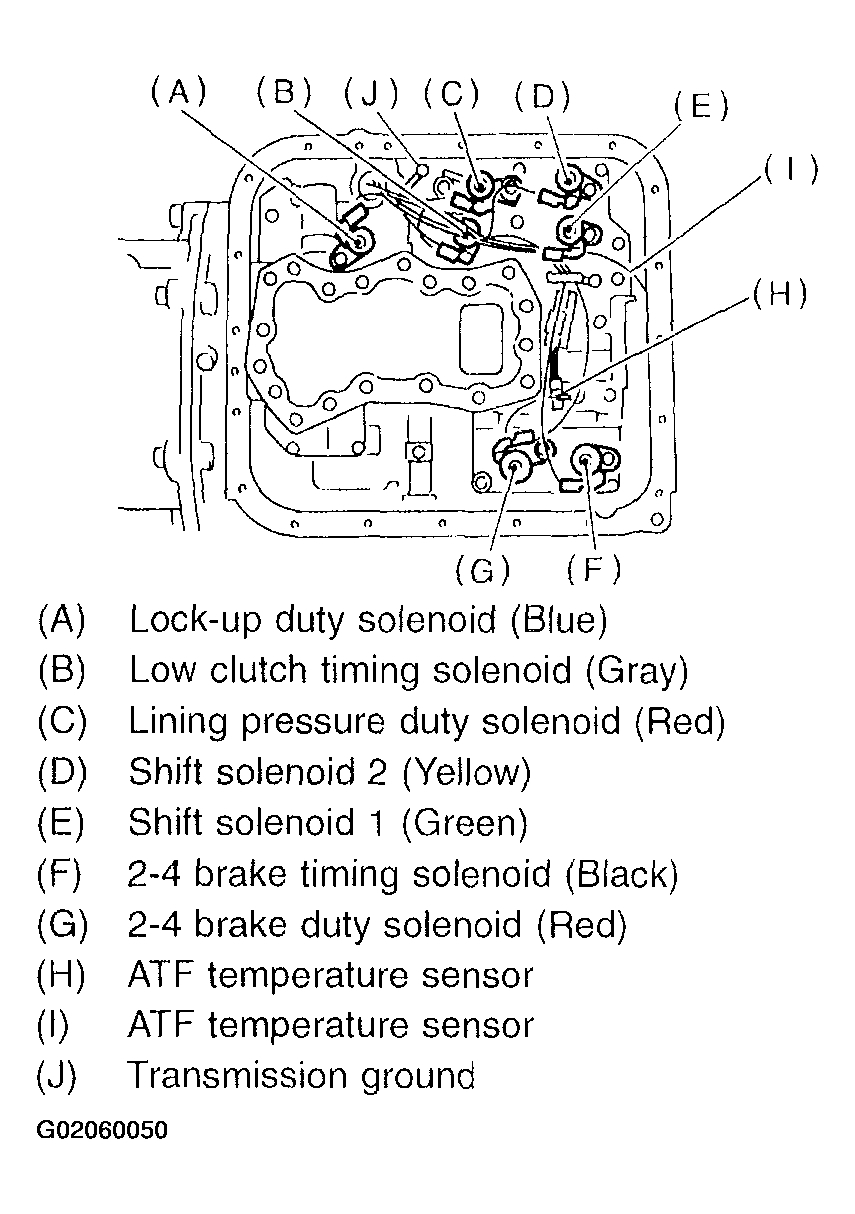
The P1705 code indicates Shift Solenoid 2-4 Brake Timing Circuit Malfunction. That is where the problem lies. However, if the transmission pan has been damaged enough to cause fluid starvation, it can cause the same problem.

If the pan is good, you need to replace the solenoid. To do so, you need to remove the transmission pan (and fluid). Here are general directions for servicing a transmission, which requires removal of the pan.

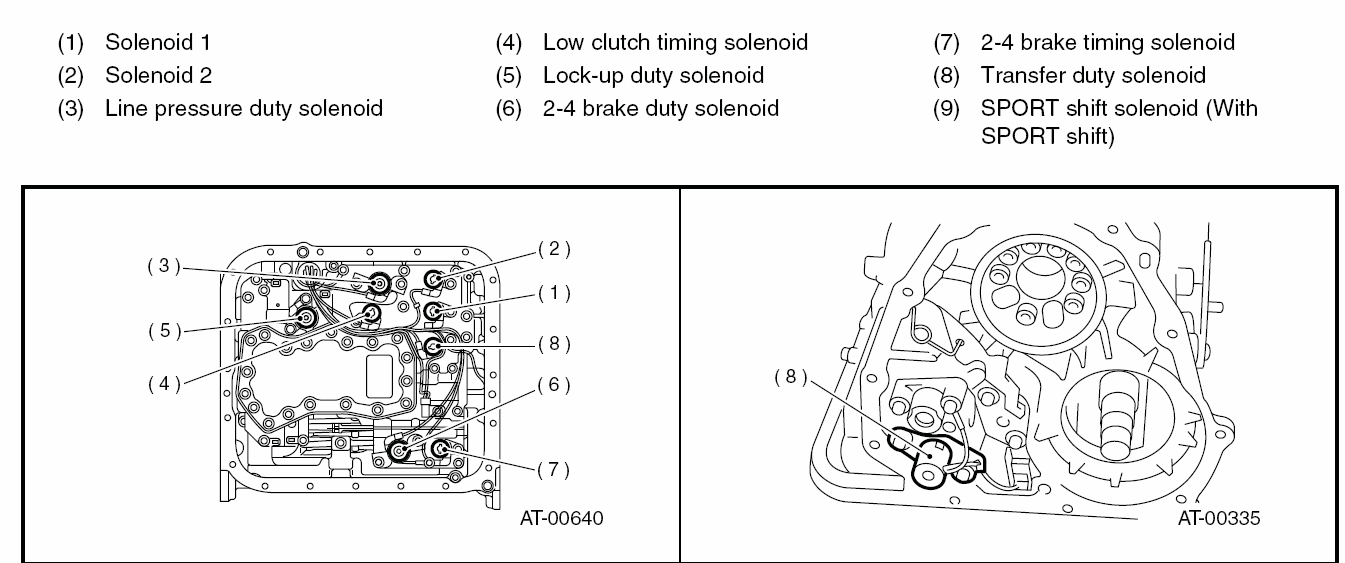
Additionally, I have attached a picture for you to see the location of the solenoid in question. When you replace it, make sure wiring is good and not damaged. You are looking for letter F on the picture.

Feb 8, 2018 at 8:09 PM
Avatar
STEVE METZ
  • MEMBER
  • 2 POSTS
Sorry for the late reply found trans wiring connection at bellhousing not complete connected guessing latest repair shop checking for intermittent op of speedo. since this I disconnected trans wiring conection no bent missing or loose wire . Trans shift are fine . thanks for your kind help.
Mar 11, 2018 at 11:43 AM
Avatar
STRAILER
  • ASE Certified Mechanic
  • 54,832 POSTS
  • ASE Certified Mechanic
Glad you could get it fixed, that kind of problem can be tough. Please use 2CarPros anytime we are here to help

Cheers, Ken
Mar 13, 2018 at 12:17 PM
Join 2CarPros for free, one of the most advanced car repair communities on the internet. From first-time drivers to seasoned mechanics, everyone is welcome to reply, share details, and get better answers. You can add a temporary image or video first; uploads are limited to 20 MB.
Ask a Free Question
Repair Safety Notice: This information is for general instructional purposes only. Vehicle repair can be dangerous. Verify all information, follow manufacturer service procedures, use proper tools and safety equipment, and consult a qualified repair shop when needed.