2003 Ford Ranger Removing the stereo system assembly cover

2003 FORD RANGER
123,000 MILES • 6 CYL • 2WD • AUTOMATIC
Avatar
LUDYBOODIE
  • MEMBER
  • 1 POST
I just purchased a 2003 Ford Ranger Edge. There is a KNOB (that's what the parts list calls it) that has "slipped" lose and fallen inside the dash. It is located on the driver's side on the dash next to the stereo system. At first I thought it was a cigarette lighter assembly and housing, but when I looked at a diagram of it, it calls it a KNOB. I have no idea what it is for (on the opposing side is a 12V outlet), so it must not be too important, but it leaves a hole in the dash. I felt inside the hole and whatever it is, it's there, but in order to pull it back out, I will need to remove the cover from the stereo system. I don't see any screws or clips. Could you tell me how to remove that cover? THANKS!!!
Dec 12, 2007 at 5:59 PM
Advertisement
Avatar
FAIRRACING31
  • ASE Certified Mechanic
  • 150 POSTS
  • ASE Certified Mechanic
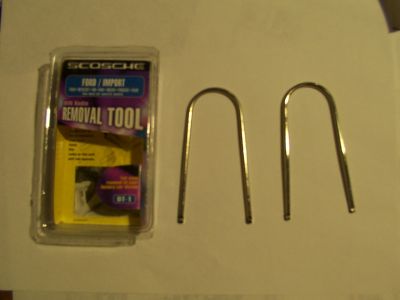
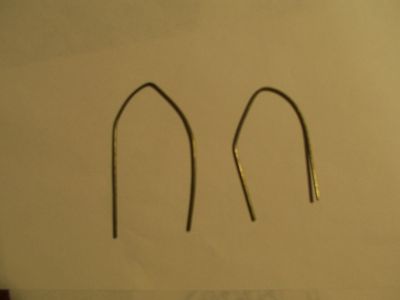
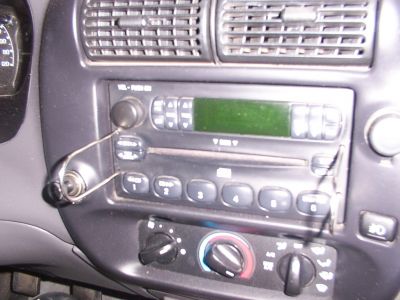
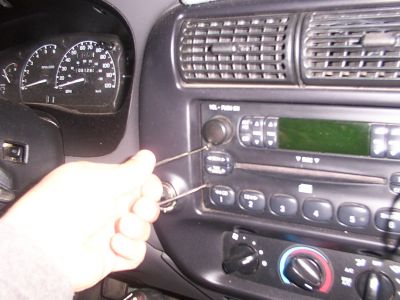
There is four small hole's on your radio's face. This is how you release the radio to pull it out. You can buy a radio removal tool for a few buck's at your local auto parts store, or use a metal coat hanger and cut two half shaped piece's. Store tool


https://images.2carpros.com/forum/automotive_pictures/103836_DCP_0002_2.jpg

Fairracing tool (coat hangers)


https://images.2carpros.com/forum/automotive_pictures/103836_DCP_0003_1.jpg


https://images.2carpros.com/forum/automotive_pictures/103836_DCP_0004_1.jpg


https://images.2carpros.com/forum/automotive_pictures/103836_DCP_0006_1.jpg

Dec 29, 2007 at 9:52 PM
Join 2CarPros for free, one of the most advanced car repair communities on the internet. From first-time drivers to seasoned mechanics, everyone is welcome to reply, share details, and get better answers. You can add a temporary image or video first; uploads are limited to 20 MB.
Ask a Free Question
Repair Safety Notice: This information is for general instructional purposes only. Vehicle repair can be dangerous. Verify all information, follow manufacturer service procedures, use proper tools and safety equipment, and consult a qualified repair shop when needed.