You're over-thinking this. Just don't turn on the ignition switch, then the pump won't run. Loosen the first fitting slowly. The pressure will drop to zero rather quickly, with just a little spray of leaked fuel.
Another method for most vehicles of this age, there will usually be a fuel pressure test port on the fuel rail on the engine. Remove the cap, then press the valve which is very similar to a tire valve. Cover the port with a rag so the fuel doesn't spray in your face.
Some manufacturers have a procedure listed in their service manuals that involves using small jumper wires to apply 12 volts to an injector for a few seconds. I don't like that method for a number of reasons. First, that puts a lot of raw gas into one or two cylinders where it can wash the oil film off of them. Second, injectors are pulsed on for just few milliseconds at a time, then they get to relax. Applying 12 volts directly invites the opportunity to leave them energized too long causing them to overheat and warp the electromagnetic coils. It also takes way too long when you have to charge your customer by the hour.
For this common service, almost all professionals just remove the filter and let the little fuel spray out. The only time it is common to depressurize the system is when it is being tested for fuel pump operation, mainly how quickly it can rebuild pressure and if it is losing pressure while sitting overnight.
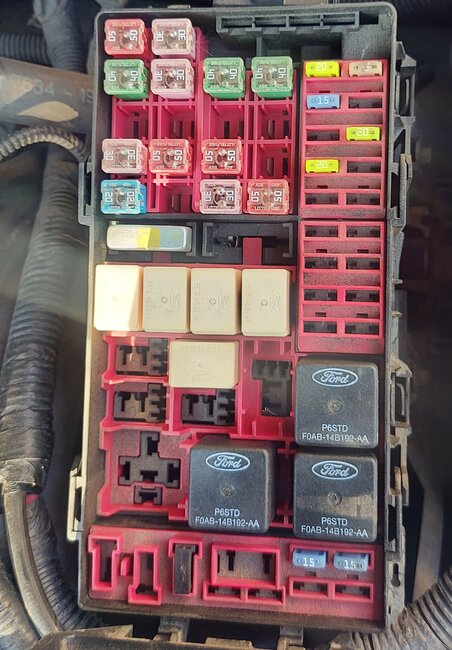
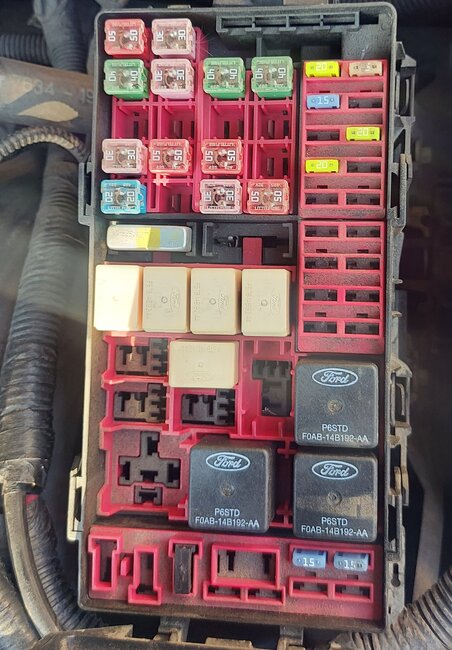
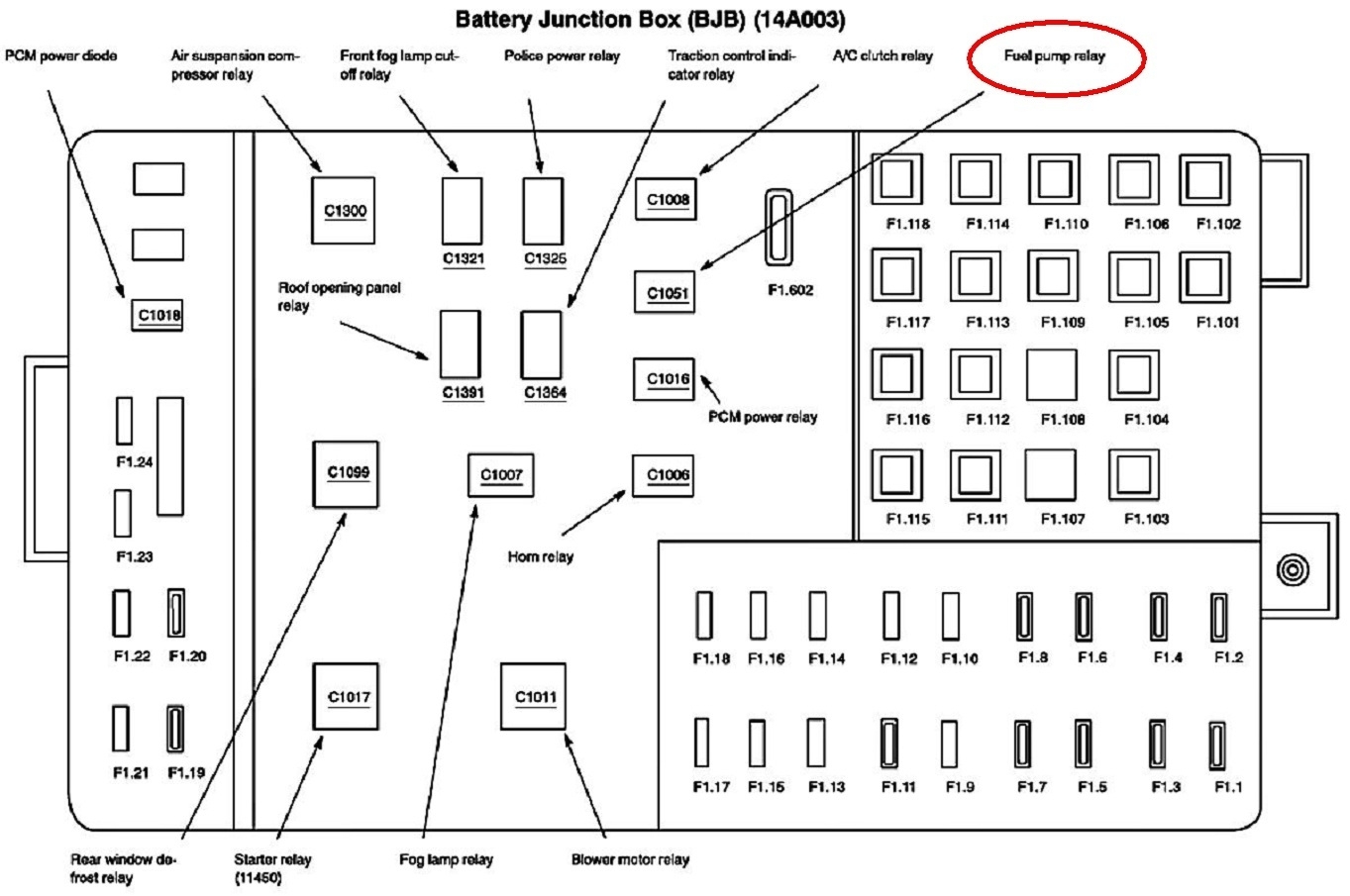
If you still want to lose the fuel pressure first, an easier method would be to remove the fuel pump relay or fuse while the engine is running. This might not work on GM engines as they often stall once fuel pressure drops just five or ten pounds. I know from experience and testing that 45 psi was normal on my '88 Grand Caravan, but the engine would still run fine down to 20 psi, and stall at 15 psi. I don't know about Ford engines, but it would at least lose some of the pressure without dumping excessive raw gas into one cylinder.
Aug 15, 2026 at 5:30 PM