I have the car listed above EX coupe 5 speed. The car sat for 4 years before i bought it, and there was a bit of mold on the inside but no serious water damage from what i can see. Just moist carpet damage and water spots where the rear windows vent. The car kept under a tarp during this time.
The fuel filter, pump, main relay and injectors have been replaced. The car also has a new battery, alternator, spark plugs, distributor, spark plug wires, EGR valve, MAP sensor and charcoal canister, as well as the box on the firewall that houses the MAP sensor. The ignition switch and lock cylinder have also been replaced due to the car being stolen recently. The car also has a new exhaust system, oil pump, timing belt, water pump, cam seal, oil pan gasket and valve cover gasket.
The issue that I have is, no check engine light, but the car will randomly shut off. Whenever I apply the throttle, sometimes it will drive fine. This is usually when the car is cold its almost trouble free. As you drive, regardless of warm or cold, it does not feel like the car has full power and struggles above 4,000 EPMs. Once warm it will begin to shut off. Usually this starts with the car bogging down. Press the accelerator and the RPMs do not go up, they fall at a steady pace, until the car is at a complete stop. I can apply the throttle again and it will sputter and backfire or just stall out.
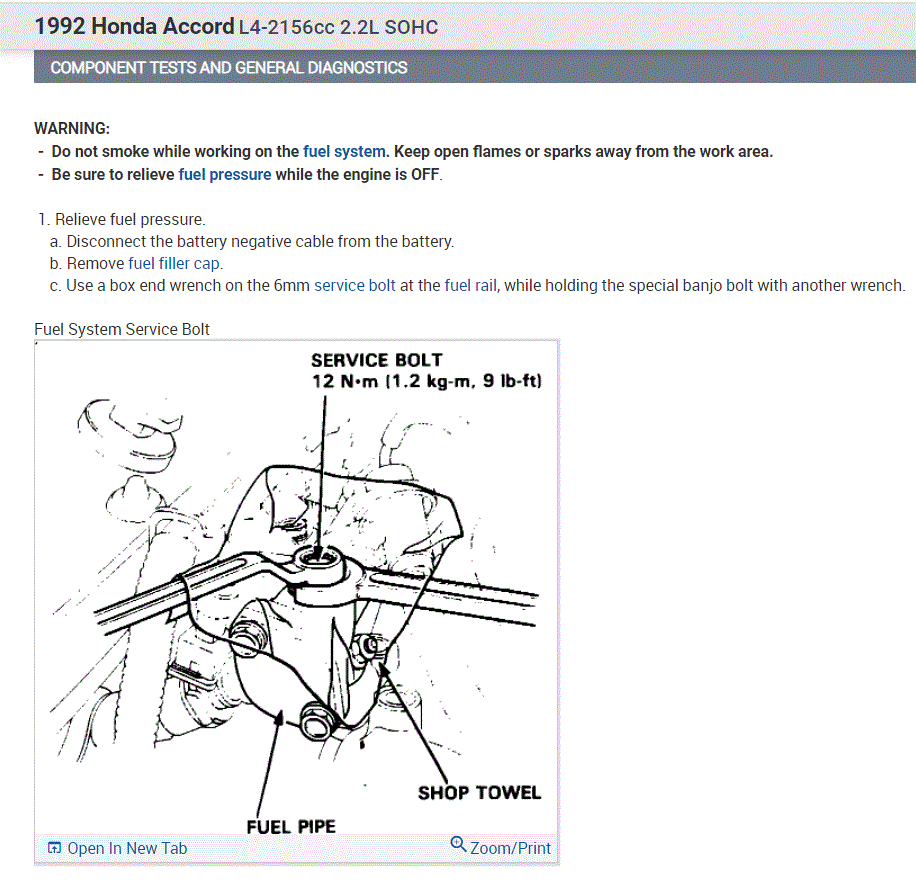
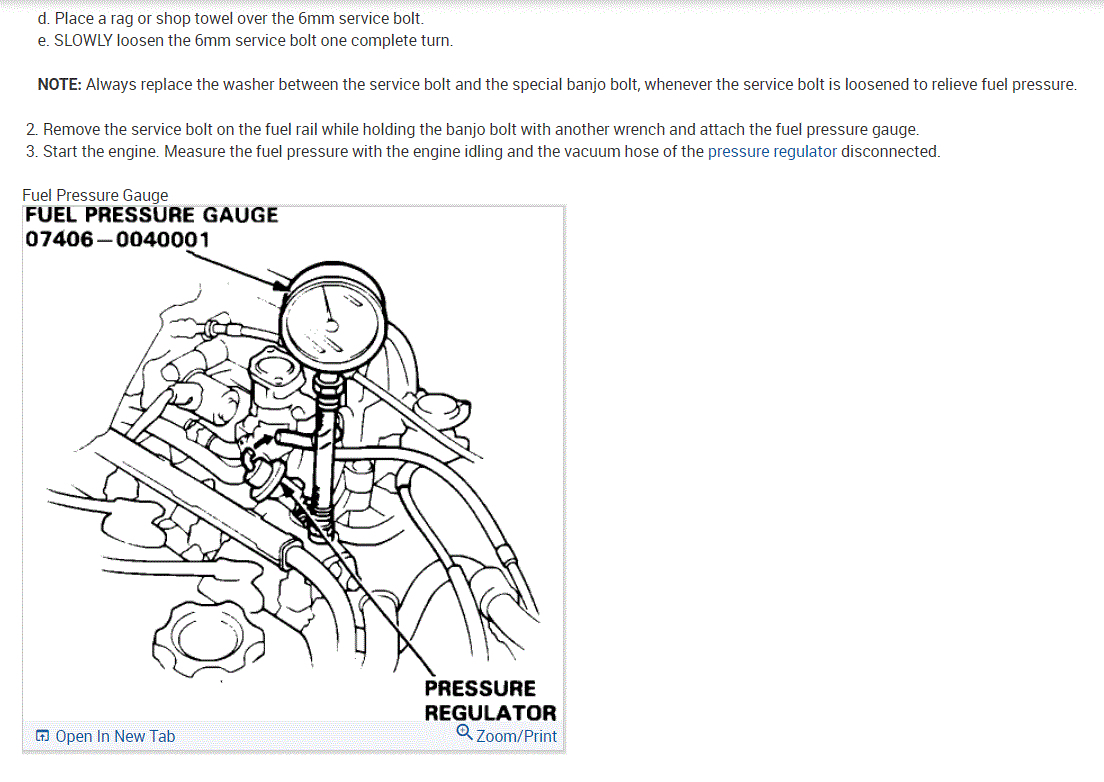
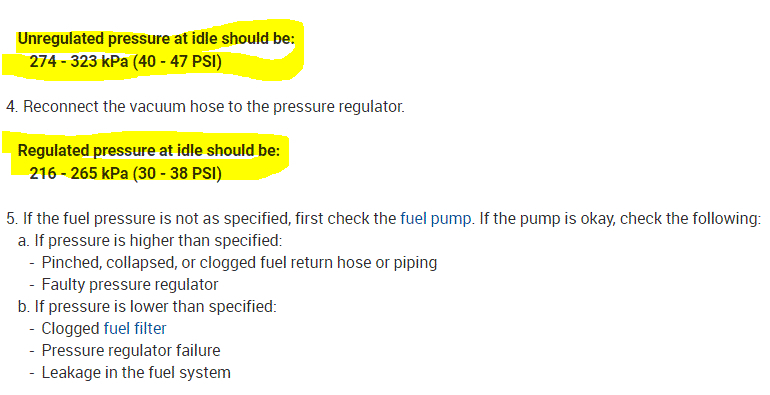
One Honda specialist said the fuel pressure drops below 10 PSI when this occurs and suggested the fuel pump. This same mechanic replaced the ignition switch (the problem was present then but not this bad) and said that the ECU was losing signal and was causing the car to stall out. But, i don't get codes for anything unless I unplug a sensor. The car also had the catalytic converter removed with the 02 sensor and i do not get a code for this. I know the ECU works because it gives codes for other sensors.
I unplugged the TPS thinking this was the issue but i got the same driving errors. I did get a check engine light with the TPS removed. Plugged it back in and no check engine light but same driving issue.
The gas tank is close to empty now but this issue was even present at mostly full and very present at a half tank. The car also drinks more gas than usual. I cannot make long distance trips in this car so i cannot confirm current MPG. it just seems rather low for only a handful of trips recently.
I would really like to drive this car regularly but cannot. Any advice is greatly appreciated.
The fuel filter, pump, main relay and injectors have been replaced. The car also has a new battery, alternator, spark plugs, distributor, spark plug wires, EGR valve, MAP sensor and charcoal canister, as well as the box on the firewall that houses the MAP sensor. The ignition switch and lock cylinder have also been replaced due to the car being stolen recently. The car also has a new exhaust system, oil pump, timing belt, water pump, cam seal, oil pan gasket and valve cover gasket.
The issue that I have is, no check engine light, but the car will randomly shut off. Whenever I apply the throttle, sometimes it will drive fine. This is usually when the car is cold its almost trouble free. As you drive, regardless of warm or cold, it does not feel like the car has full power and struggles above 4,000 EPMs. Once warm it will begin to shut off. Usually this starts with the car bogging down. Press the accelerator and the RPMs do not go up, they fall at a steady pace, until the car is at a complete stop. I can apply the throttle again and it will sputter and backfire or just stall out.
One Honda specialist said the fuel pressure drops below 10 PSI when this occurs and suggested the fuel pump. This same mechanic replaced the ignition switch (the problem was present then but not this bad) and said that the ECU was losing signal and was causing the car to stall out. But, i don't get codes for anything unless I unplug a sensor. The car also had the catalytic converter removed with the 02 sensor and i do not get a code for this. I know the ECU works because it gives codes for other sensors.
I unplugged the TPS thinking this was the issue but i got the same driving errors. I did get a check engine light with the TPS removed. Plugged it back in and no check engine light but same driving issue.
The gas tank is close to empty now but this issue was even present at mostly full and very present at a half tank. The car also drinks more gas than usual. I cannot make long distance trips in this car so i cannot confirm current MPG. it just seems rather low for only a handful of trips recently.
I would really like to drive this car regularly but cannot. Any advice is greatly appreciated.
Apr 23, 2021 at 10:56 AM