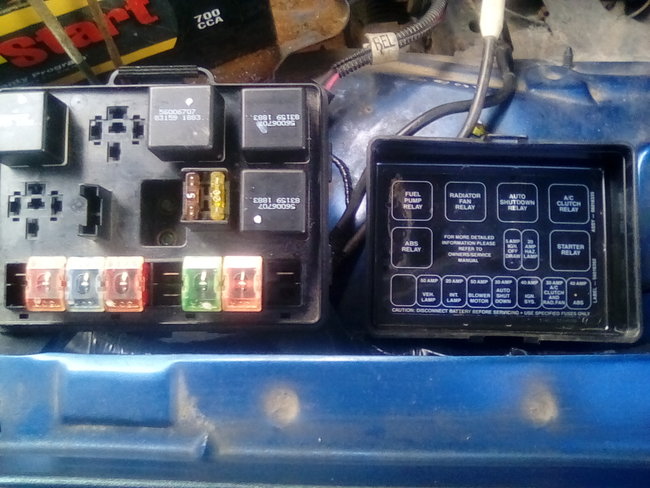
A simple trick to finding a short is to replace the blown fuse with a pair of spade terminals, then use small jumper wires to connect them to a 12 volt light bulb. A brake light bulb works well. When the circuit is live and the short is present, the bulb will be full brightness and hot so be sure it's not laying on the carpet or against a plastic door panel. Now you can unplug electrical connectors and move things around to see what makes the short go away. When it does, the bulb will get dim or go out.
For intermittent problems like yours the bulb may be dim already. Watch what takes place when it gets bright. That's when the short is occurring. It could be due to the rocking of the engine when you shift between reverse and drive. It could be due to the body flexing when you drive over bumps in the road. The bulb limits current to a safe value when the short occurs, in this case about one amp. If the engine won't start with a brake light in the circuit, try a headlight bulb. The low beam filament will limit current to five amps, and the high beam filament will allow about six amps to flow.
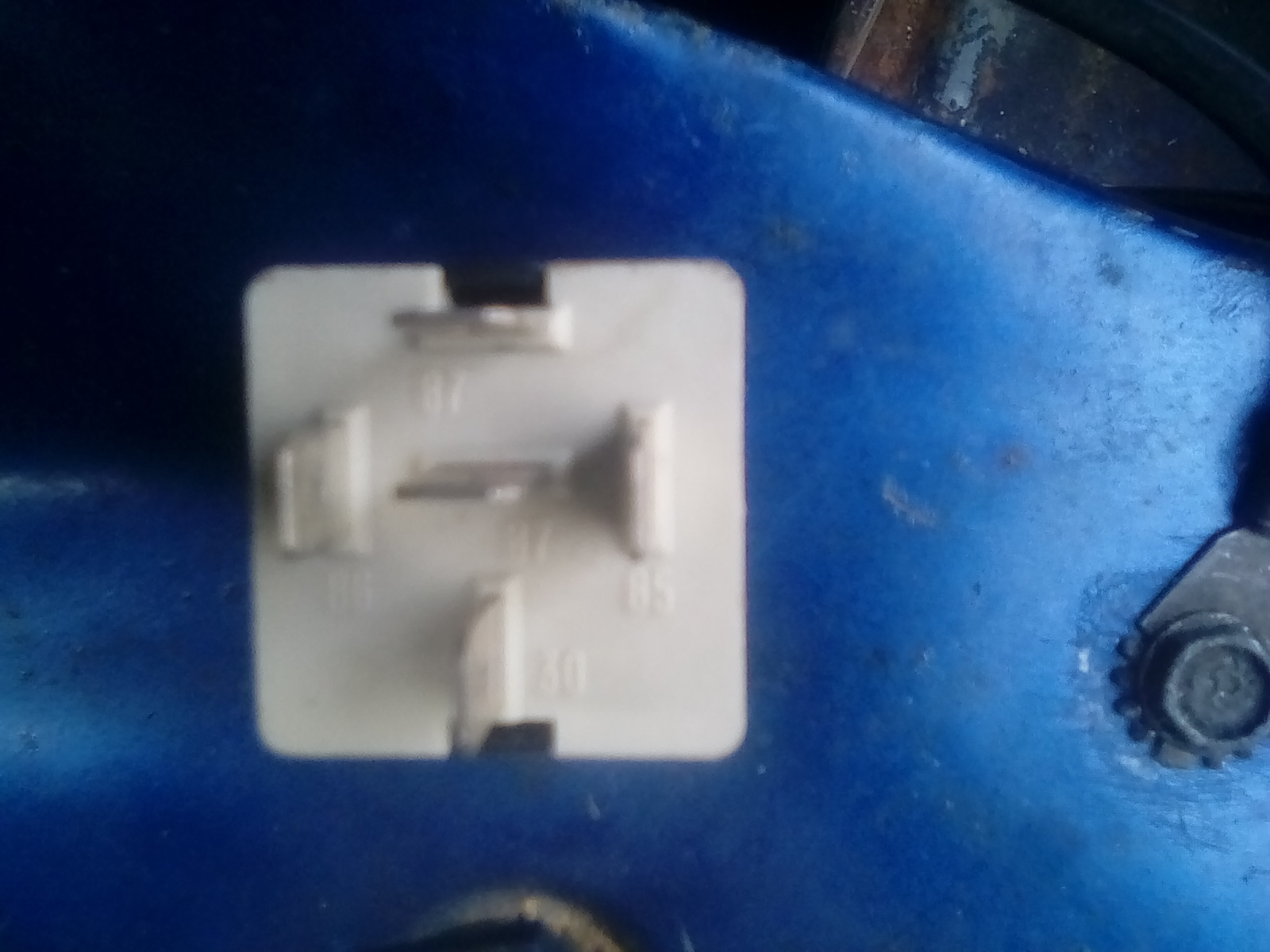
You can do the same thing by using the light bulb in place of the automatic shutdown, (ASD) relay. That relay only turns on for one second when the ignition switch is turned on, then again any time the engine is rotating, (cranking or running). That means if you use the bulb in place of the fuse, you have to be cranking the engine to do the troubleshooting; . . . not very practical. Instead, with the bulb in place of the ASD relay, you don't even have to turn the ignition switch on. The bulb will power up the circuit and limit current to a safe value. If you use the bulb in place of the relay, use terminals 30 and 87.
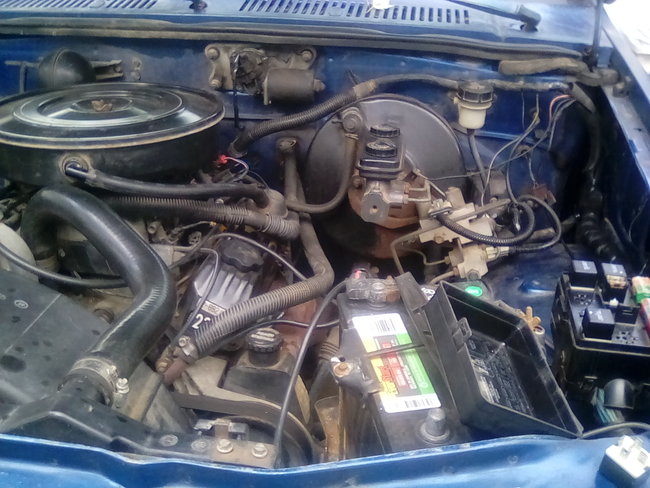
Items on that circuit include the injectors, ignition coil, alternator field, oxygen sensor heaters, and the fuel pump or pump relay. All of those items cause very little trouble. You're more likely to find a wire going to one of them is grounding out, similar to what you already found. Look for oxygen sensor wiring that fell down onto hot exhaust parts, and check the large bundle of wires that run along the left inner fender under the battery tray. That harness often slides back and forth as the engine rocks, leading to wires rubbed through and shorting to ground.
May 5, 2021 at 2:53 AM