2001 Ford F150 Engine ping

2001 FORD F-150
16,500 MILES • 6 CYL • 2WD • MANUAL
Avatar
ALLENTEEL53
  • MEMBER
  • 1 POST
I've had this pick-up since it had 50,000 mi., just recently it has started pinging as if I was using low octane fuel, I've started using higher octane fuel,also have tried using an octane booster and just recently changed the fuel filter which helped some of the chugging issues I was having but I still have the ping, I've been told by a non proffessional that it could the timing chain,could this be a viable answer.
Nov 20, 2009 at 7:12 PM
Advertisement
Avatar
JACOBANDNICKOLAS
  • ASE Certified Mechanic
  • 110,194 POSTS
  • ASE Certified Mechanic
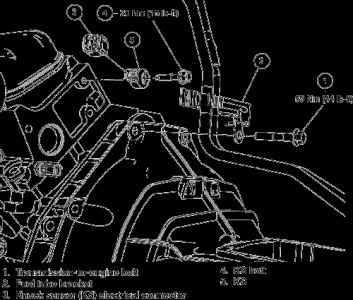
It could be a timing issue. However, usually you will hear a worn timing chain. It will actually make noise in the engine. Also, usually you will get a ping when the timing is advanced. A loose chain will do the opposite. Therefore, I would check / replace the Knock Sensor (KS). The KS is a tuned accelerometer on the engine which converts engine vibration to an electrical signal. The PCM uses this signal to determine the presence of engine knock and to retard spark timing if needed. Its goal is to keep the timing as advanced as possible for the best performance to a point right to where the engine is ready to ping. Here is a picture of it and it's location:


https://images.2carpros.com/forum/automotive_pictures/249084_knock_1.jpg

I hope it is large enough for you to see. It is actually located on the rear of the driver's side head behind the steel fuel line. Let me know if you have other questions. Joe
Nov 22, 2009 at 8:47 PM
Join 2CarPros for free, one of the most advanced car repair communities on the internet. From first-time drivers to seasoned mechanics, everyone is welcome to reply, share details, and get better answers. You can add a temporary image or video first; uploads are limited to 20 MB.
Ask a Free Question
Repair Safety Notice: This information is for general instructional purposes only. Vehicle repair can be dangerous. Verify all information, follow manufacturer service procedures, use proper tools and safety equipment, and consult a qualified repair shop when needed.